In This Guide
Nestled in the northernmost part of Palawan in the Philippines lies a true tropical paradise, El Nido. Known for its breathtaking limestone karst formations, crystal-clear waters, and vibrant marine life, El Nido is a destination that should be on every traveler's bucket list. In this travel guide, we will take you on a journey through El Nido, sharing our experiences, tips, and must-visit spots to make your trip to this enchanting destination truly unforgettable.
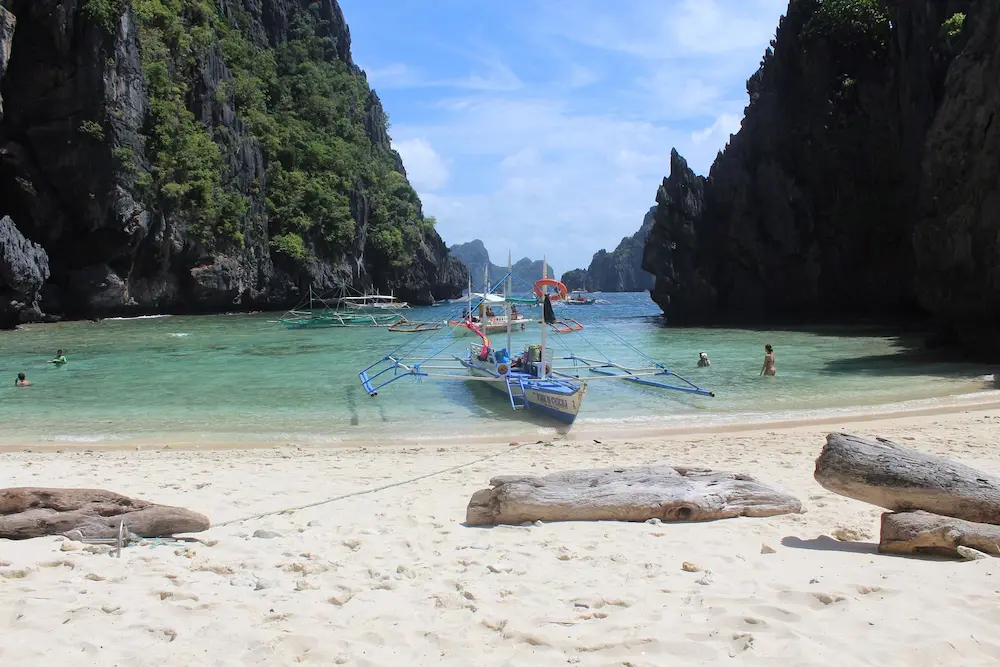
The unique karst limestone formations, which rise sharply from the sea, rank among the main attractions in El Nido. These formations create a dramatic backdrop to the turquoise waters and hidden coves, making it a popular spot for photography and nature enthusiasts.
The Natural Beauty of El Nido
El Nido is a sanctuary of natural beauty that captivates travelers with its dramatic landscapes, pristine beaches, and vibrant marine life. This tropical paradise offers a stunning blend of towering limestone cliffs, hidden lagoons, and crystal-clear waters that teem with biodiversity. Whether you are an adventurer, a beach lover, or a marine enthusiast, El Nido’s breathtaking scenery and rich ecosystems promise an unforgettable experience.
Landscapes: A Dramatic Karst Wonderland
Iconic limestone cliffs define El Nido’s landscapes. They rise sharply from the sea like ancient sentinels guarding the coastline. These karst formations, draped in lush greenery and tangled vines, create a dramatic backdrop that feels both timeless and otherworldly. The cliffs form secluded lagoons and hidden coves, accessible only by boat or kayak. Among the most famous is the Big Lagoon, where towering rock walls encircle emerald waters, offering a sense of serenity and isolation. The interplay of light and shadow on the cliffs, especially during sunrise and sunset, paints the landscape in hues of gold and pink.
Marine Life: An Underwater Paradise
Beneath the surface, El Nido’s waters act as a thriving haven for marine biodiversity, making it a dream destination for snorkelers and divers. The coral reefs, particularly around Miniloc Island and Shimizu Island, are alive with color, hosting an array of tropical fish. Sea turtles glide gracefully through the shallows, while lucky visitors might spot blacktip reef sharks or even whale sharks during seasonal migrations. The area’s protected marine sanctuaries allow ecosystems to flourish and offer visitors a glimpse into the rich underwater heritage of the Philippines.
Boat Tours & Island Hopping
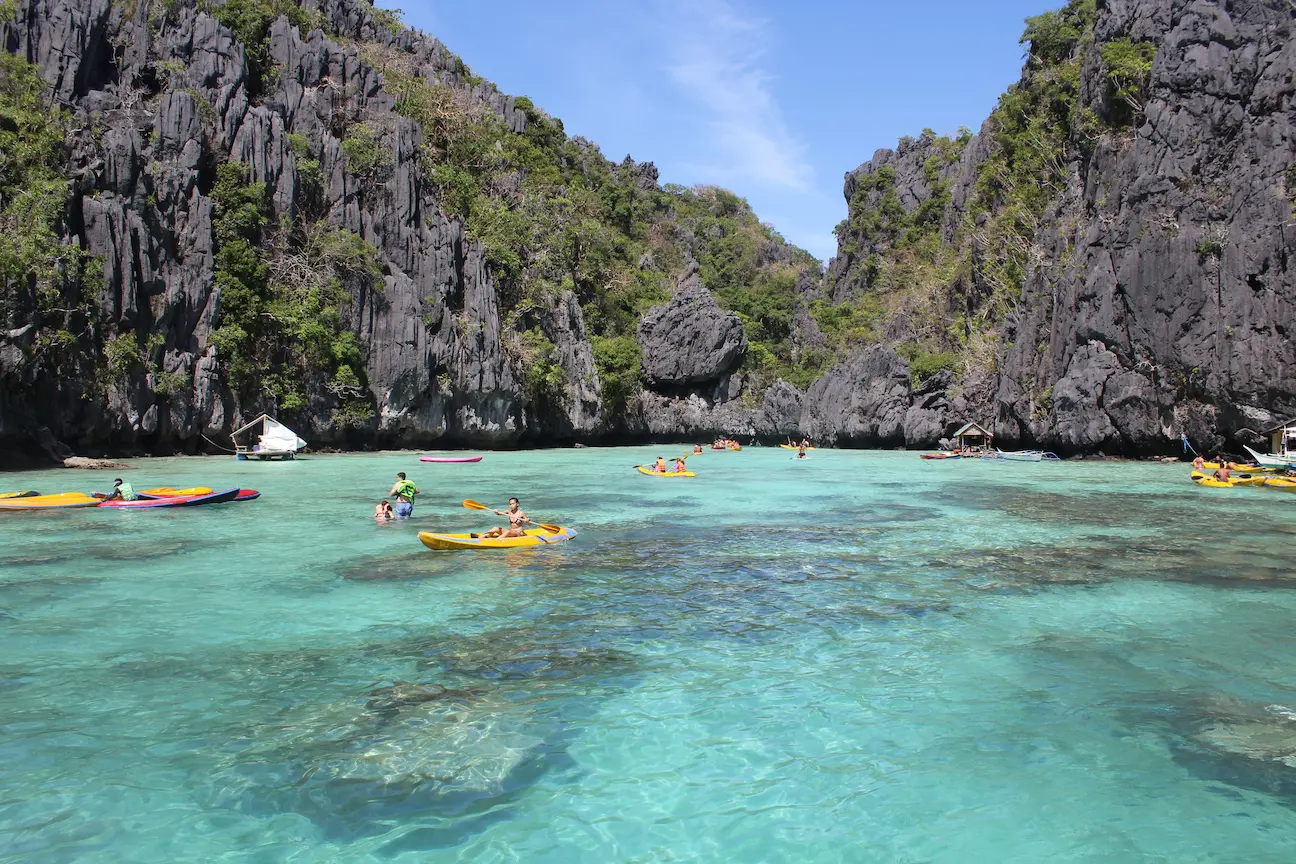
Island hopping acts as the quintessential activity in El Nido. Bacuit Bay holds 45 distinct islands and islets. These tours provide the best way to explore the region’s crystal-clear waters and secluded beaches. Each tour follows a specific route and typically includes lunch, drinking water, and snorkeling gear. Tours generally last 6–8 hours.
Prices for Tours A, B, C, and D range from 1,200 to 1,500 Philippine Pesos. This usually includes lunch and snorkeling gear. Prices may be slightly higher for premium tours with additional services.
- Tour A (Lagoon Tour): Big Lagoon, Small Lagoon, Secret Lagoon, Shimizu Island, and 7 Commando Beach.
- Tour B (Caves & Coves): Snake Island, Pinagbuyutan Island, Cudugnon Cave, and Cathedral Cave.
- Tour C (Hidden Beaches): Hidden Beach, Matinloc Shrine, Secret Beach, Helicopter Island, and Star Beach.
- Tour D (Island Beaches): Cadlao Island, Pasandigan Beach, Bukal Island, Natnat Beach, and Paradise Beach.
Exploring the Majestic Lagoons
Big Lagoon
The Big Lagoon stands as one of El Nido’s most visually stunning attractions. Encircled by towering limestone cliffs adorned with lush greenery, this expansive lagoon boasts deep turquoise and emerald waters. As you enter through a narrow, shallow channel by boat, the lagoon opens up into a wide, tranquil expanse perfect for kayaking or swimming. The calm, crystal-clear waters mirror the dramatic cliffs perfectly.
Small Lagoon
Nestled on Miniloc Island, the Small Lagoon feels like a private sanctuary. Accessible only by swimming or kayaking through a narrow opening in the limestone cliffs, this lagoon offers a more intimate experience. Inside, calm, shallow waters reflect soaring rock walls draped in vegetation. The water’s clarity reveals the sandy bottom, making it an inviting spot for snorkeling.
Secret Lagoon
The Secret Lagoon lives up to its name. Tucked behind a small cave in the limestone cliffs, reaching it requires a bit of adventure. Visitors must scramble through a narrow opening in the rocks to discover a small, shallow pool encircled by rugged cliffs. The setting remains quiet and gives the feel of a personal hideaway.
El Nido Beaches
Nacpan Beach
Located about a 45-minute drive from El Nido town, Nacpan Beach features a long stretch of powdery white sand and crystal-clear waters. It connects to Calitang Beach via a sandbar, creating the famous twin beaches. Beachfront bars and restaurants also offer fresh seafood and tropical cocktails right on the sand.
Las Cabanas & Marimegmeg Beach
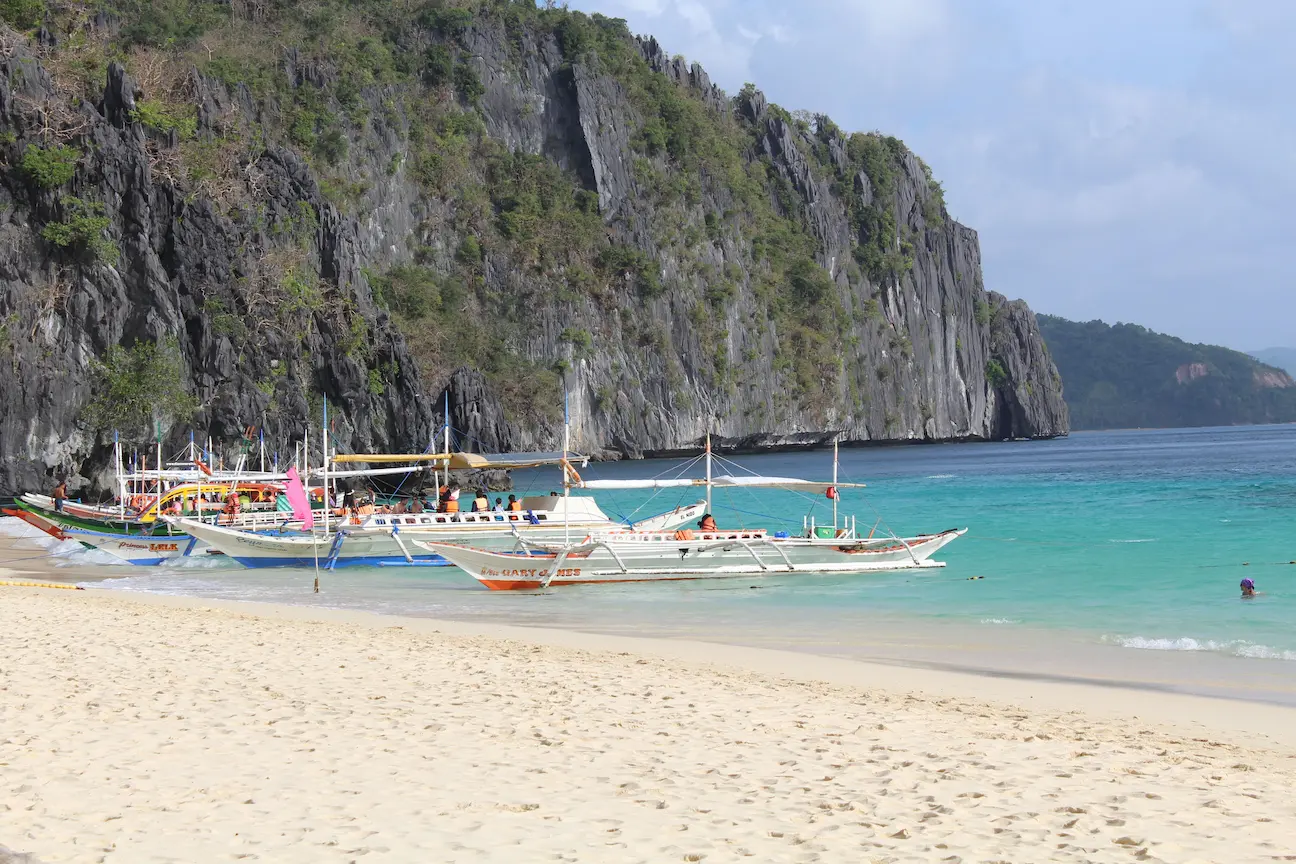
Just a short tricycle ride from El Nido town, Las Cabanas Beach (often grouped with Marimegmeg Beach) provides stunning views and a relaxed atmosphere. The beach features fine white sand framed by dramatic limestone cliffs. You can enjoy beachfront lounging, swimming, and water sports like paddleboarding. The viewpoint here offers one of the best sunset panoramas in all of El Nido.
Seven Commando Beach
Seven Commando Beach often serves as the final stop on Tour A. Named after soldiers who reportedly stranded themselves here during World War II, it boasts a long, palm-fringed shoreline. It provides an excellent spot for swimming and snorkeling, while a small beach bar serves refreshments under the shade.
Duli Beach
Located on the western side of Palawan, away from the main tourist areas, Duli Beach shows off a rugged and wild beauty. A long stretch of golden sand backs up against lush green hills. This beach attracts surfers, especially during the swelling season from October to March.
Living Like a Local
El Nido is a vibrant tapestry of local culture, warm community spirit, and delicious cuisine. Engaging with the local culture offers a much deeper appreciation of this tropical paradise.
Embracing the Community & Cuisine
The culture of El Nido roots deeply in the traditions of the indigenous Tagbanua people. Their customs, including sustainable fishing and weaving, are still practiced in the small surrounding villages. The town center itself buzzes with small family-run shops and eateries. Interacting with residents—whether through a friendly chat with a tricycle driver or a stay in a local homestay—offers amazing insight into their daily lives. Many locals rely on tourism and fishing, so supporting small businesses directly benefits the community.
No cultural immersion feels complete without tasting El Nido’s culinary delights. The cuisine relies heavily on fresh seafood caught daily. You must try kinilaw, a Filipino version of ceviche made with raw fish marinated in vinegar, ginger, onions, and chili. Grilled squid or fish inasal, seasoned with tangy calamansi, tastes incredible. Street food stalls sell sweet treats like banana cue (deep-fried bananas coated in caramelized sugar) for quick, cheap snacks.
Practical Guide to El Nido
How to Get to El Nido
Reaching El Nido offers two main routes. For the fastest option, AirSWIFT provides direct flights from Manila or Cebu straight into Lio Airport. The flight treats you to incredible aerial views of the islands. If you prefer a more budget-friendly approach and want to see the provincial landscapes along the way, fly into Puerto Princesa. From Puerto Princesa, minivans make the five to six-hour journey up the coast to El Nido town.
The Mandatory Environmental Fee
Before booking any boat tours, the local government requires all visitors to pay the Eco-Tourism Development Fee (ETDF). This fee typically costs 200 PHP and remains valid for 10 days. Keep your receipt handy, as tour operators check it before allowing you onto the boats. The funds directly protect the marine sanctuaries and maintain the islands.
Where to Stay
Choosing the right base shapes your entire experience.
- Town Proper: Stay here if you want quick access to the port, restaurants, and nightlife. It gets busy and noisy, but everything sits within walking distance.
- Corong-Corong: Located just a short tricycle or scooter ride from town, this area provides a much quieter, slow-paced atmosphere. It faces west, giving you front-row seats to spectacular sunsets.
- Lio Estate: For those seeking quiet luxury, this eco-development near the airport offers private beaches and high-end resorts away from the crowds.
Essential Packing List
El Nido requires a specific set of gear to keep you safe and comfortable on the water.
- Dry Bags: Island hopping means splashing water. A dry bag protects your phone, camera, and drone from getting ruined on the boat.
- Aqua Shoes: The limestone rocks hide sharp edges, and some shallow areas contain sea urchins. Aqua shoes provide necessary grip and protection.
- Reef-Safe Sunscreen: Standard sunscreens bleach and kill the delicate coral. Pack a reef-safe, biodegradable brand to help preserve the underwater ecosystem.

The ideal time to visit El Nido falls during the dry season, which typically lasts from November to May. These months deliver clear skies, calm seas, and perfect beach weather. January to March offers the most pleasant climate, with warm temperatures and low humidity.
Nearby Escapes: If you want to continue your Palawan journey, consider taking a boat to Coron, or riding down to Puerto Princesa and Port Barton.