In This Guide
A Glimpse into Ancient Bali
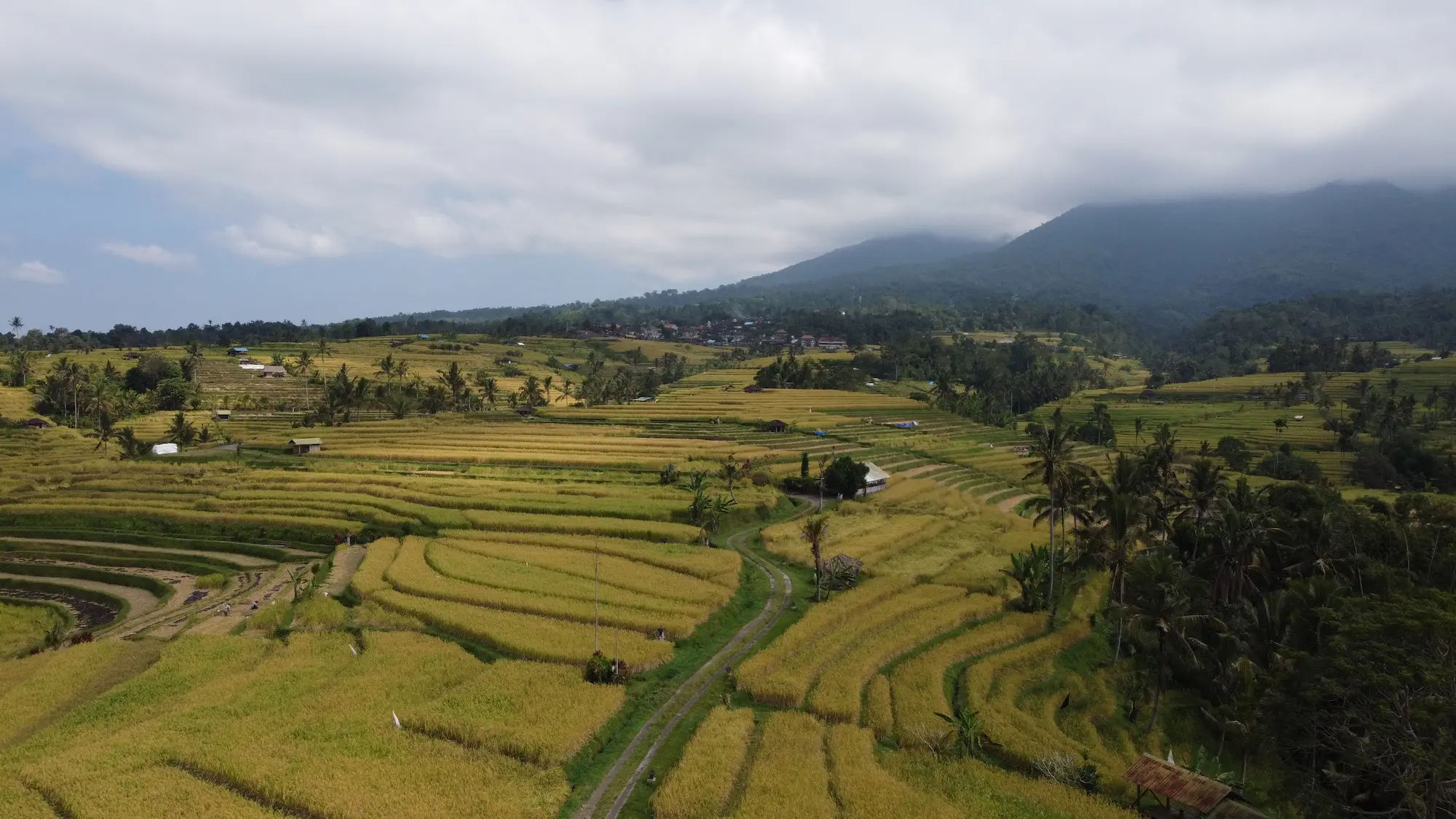
Nestled in the lush highlands of Bali, the Jatiluwih Rice Terraces offer a glimpse into the island's ancient agricultural traditions and timeless natural beauty. Spanning over 600 hectares, these stunning terraced fields belong to the Subak system, a traditional Balinese irrigation method dating back to the 9th century. Recognized as a UNESCO World Heritage site, Jatiluwih stands as a testament to sustainable farming and a peaceful haven where visitors can immerse themselves in rural charm.
Agricultural Mastery
The Jatiluwih rice terraces provide a feast for the eyes and a testament to the agricultural expertise of the Balinese people. The subak system manages the water supply for these terraces flawlessly. The intricate network of canals and weirs ensures each rice paddy receives the perfect amount of water, creating a sustainable and highly productive farming environment.
Eco-Tourism & Exploration
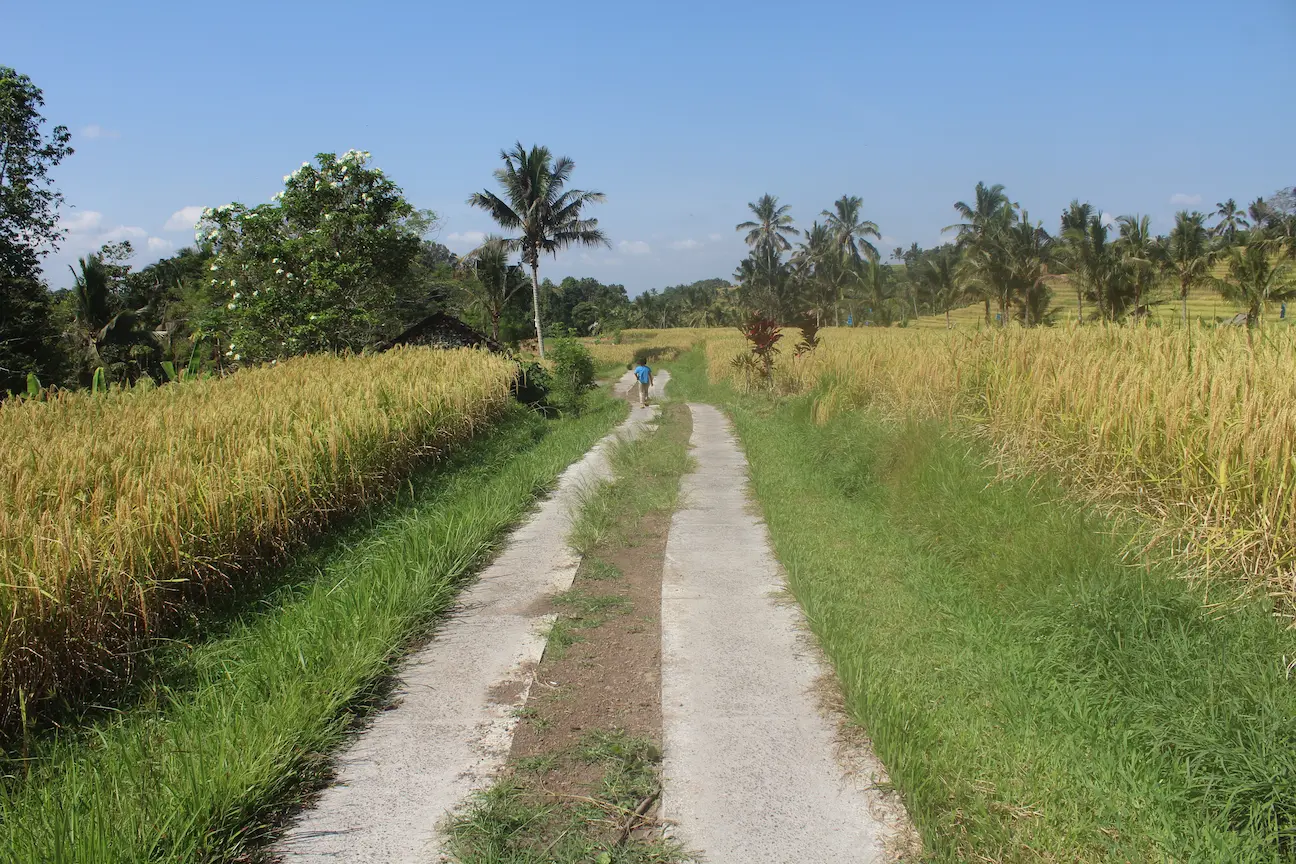
Jatiluwih offers several walking and hiking paths that allow visitors to wander deeply into the rice fields. These trails provide panoramic views of the terraced landscape and nearby mountains, creating a paradise for nature lovers and photographers. As a UNESCO site, Jatiluwih heavily promotes eco-friendly and sustainable tourism practices, preserving the landscape while offering meaningful experiences.
Cultural Immersion
Many tours in Jatiluwih invite visitors to participate in the rice planting or harvesting process. Under the guidance of local farmers, you can try plowing fields with traditional tools or harvesting rice by hand. This interactive approach provides a deep appreciation of the labor behind rice cultivation.
For a more immersive experience, staying with local families in homestays near the terraces offers an authentic look into rural daily life. Visitors experience the community-driven lifestyle of the Balinese directly, learning about their customs, agriculture, and spiritual practices.
Travel Guide: Routes, Costs & Photography
How to Get There
Jatiluwih sits in the Tabanan Regency, deep in Bali's central highlands. Riding a scooter provides the ultimate freedom and lets you embrace the slow living vibe of the island. The journey from Ubud takes about 1.5 to 2 hours, winding through quiet villages and dense tropical forests. If you depart from the busy streets of Canggu or Seminyak, expect a two-hour ride heading straight north into the cooler mountain air. Renting a reliable scooter costs around 70,000 to 100,000 IDR per day. Alternatively, hiring a private driver offers a comfortable, stress-free option for those who prefer not to navigate the winding provincial roads themselves.
Entrance Fees and Budgeting
Keeping a small amount of cash handy ensures a smooth visit. Foreign visitors pay an entrance fee of 40,000 IDR at the main gate. Parking a scooter adds a tiny 5,000 IDR charge. When it comes to dining, a hearty meal of Bebek Betutu or Nasi Campur at a local warung overlooking the fields will cost between 50,000 and 100,000 IDR.
Capturing the Cinematic Aesthetic
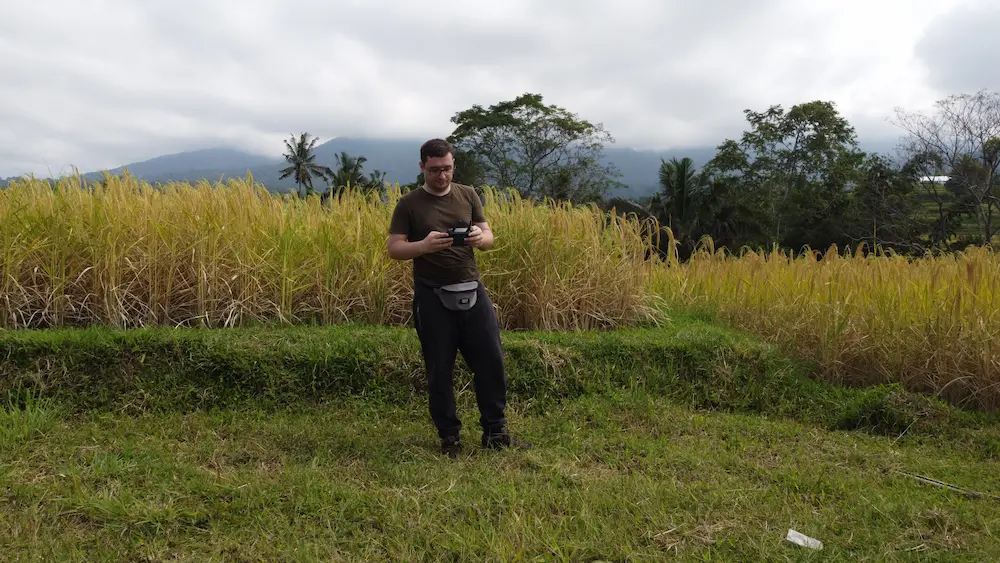
For photography enthusiasts, timing means everything. Arrive just after sunrise to catch the soft morning light filtering through the clouds. The early morning mist hanging over the terraces creates a stunning, nostalgic atmosphere perfect for a muted, cinematic editing style. A wide-angle lens works best to capture the vastness of the green valleys, while a drone can reveal the intricate geometry of the ancient irrigation canals from above.
Is Jatiluwih Rice Terraces Worth Visiting?
Many travelers wonder if making the long trip to Jatiluwih makes sense when other rice fields sit much closer to Ubud. The answer remains a resounding yes. If you appreciate slow travel, vast open spaces, and authentic agricultural life, Jatiluwih offers an unmatched experience.
Unlike the heavily commercialized Tegalalang terraces, Jatiluwih provides breathing room. You can walk for hours without bumping into large tour groups or encountering giant jungle swings built purely for social media. The UNESCO status ensures the area retains its natural charm and cultural integrity. For anyone seeking serenity and a genuine connection with Bali's rural heart, the scenic journey up the mountain pays off completely.
Culinary Experiences in Jatiluwih
Farm-to-Table Dining
Lush rice fields and fertile land surround Jatiluwih, providing the perfect setting for farm-to-table dining. Many restaurants and local warungs use ingredients grown right in the area, from fresh vegetables to organic rice. One of the most popular dishes around Jatiluwih remains nasi campur. This mixed rice dish features steamed rice accompanied by small portions of meats, vegetables, peanuts, eggs, and spicy sambal.
Bebek Betutu
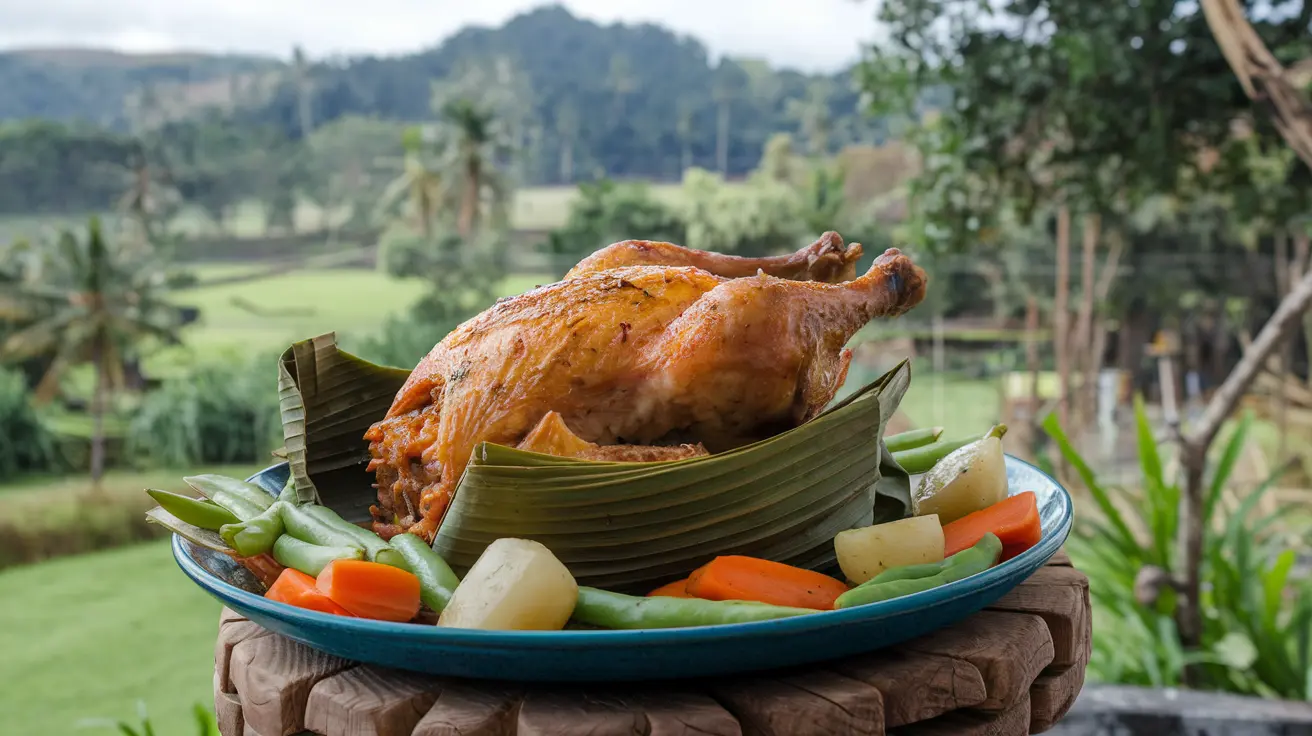
For those looking to try something uniquely Balinese, bebek betutu serves as a must-try. Cooks marinate a slow-cooked duck with traditional spices like turmeric, ginger, and garlic, wrap it in banana leaves, and roast it for hours. The result yields incredibly tender and flavorful meat. Many local restaurants around Jatiluwih specialize in this dish.
Cooking Classes
Some local restaurants and farms offer engaging cooking classes. These sessions allow visitors to learn how to prepare traditional Balinese dishes using fresh ingredients pulled straight from the surrounding terraces. Participants get hands-on experience preparing satay, lawar, and traditional desserts.
Local Traditions in Jatiluwih
Dewi Sri Worship
Dewi Sri, the goddess of rice, fertility, and prosperity, holds a central role in Jatiluwih's traditions. Farmers believe their fields and crops act as blessings from Dewi Sri. Small shrines dedicated to the goddess often sit directly within the rice fields. Farmers leave canang sari (offering baskets) here to show gratitude.
Galungan and Kuningan
Two of the most important Balinese festivals celebrated in Jatiluwih include Galungan and Kuningan. These festivals symbolize the victory of good over evil. For 10 days, locals decorate the village with penjor (bamboo poles adorned with offerings). Visitors often witness traditional dance performances and rituals at local temples during this vibrant time.
Odalan (Temple Anniversary)
Each temple in Jatiluwih celebrates its odalan once every Balinese year (210 days). Locals gather at the temple to offer prayers, dance, music, and food to the gods. The community comes together in celebration, offering visitors a prime opportunity to experience the vibrant spirituality of the area.
Nyepi
Nyepi, the Balinese New Year, marks a day of complete silence and reflection. All activities halt completely—no work, travel, or entertainment. The days leading up to Nyepi feature ogoh-ogoh parades. Locals carry large, colorful statues representing evil spirits through the streets to drive away negativity.
Gotong Royong
The spirit of gotong royong, or community cooperation, defines life in Jatiluwih. The entire village regularly comes together to work on communal projects, such as repairing roads or maintaining the complex irrigation system. This collective responsibility ensures the village thrives together.
Exploring the Subak Irrigation System
Step into the heart of Bali’s agricultural genius. The Subak system channels water from volcanic lakes and springs through a maze of hand-built canals and bamboo pipes. As you wander the terraces, you see it in action—water trickling steadily into each field, showcasing true engineering brilliance.
More than just farming, Subak acts as a philosophy guided by community cooperation and a deep respect for nature. Following a local guide along the water’s path gives you an unforgettable glimpse into how this community sustains its lush highlands.

The best time to visit Jatiluwih falls during the dry season, between May and October. This period delivers clear skies, less rain, and comfortable hiking weather, making it perfect for walking the long terrace routes.
Nearby Escapes: Make sure to visit Batukaru Temple, Ulun Danu Beratan Temple, and Mount Batukaru while you stay in this region.