In This Guide
The Heart of the Philippines
Nestled in the center of the archipelago lies a true hidden gem waiting to be explored: Marinduque Island. Often referred to as the "Heart of the Philippines" because of its shape and location, this enchanting province serves as a haven for nature enthusiasts, history buffs, and adventure seekers. With pristine beaches, lush landscapes, and deep cultural heritage, Marinduque promises a unique and unforgettable travel experience.
Whether you find yourself drawn to the vibrant Moriones Festival, where locals don elaborate masks to celebrate Holy Week, or the serene beauty of Poctoy White Beach, Marinduque offers something for every traveler. The warm, welcoming communities and delicious local cuisine - think fresh seafood and coconut-based dishes - add to the undeniable charm. Let this guide lead you through Marinduque's hidden trails, breathtaking vistas, and timeless traditions.
Exploring Boac Town
Boac serves as the capital and major commercial center of Marinduque. It holds deep historical significance, cultural heritage, and simple natural beauty.
Historical Sites & Boac Museum
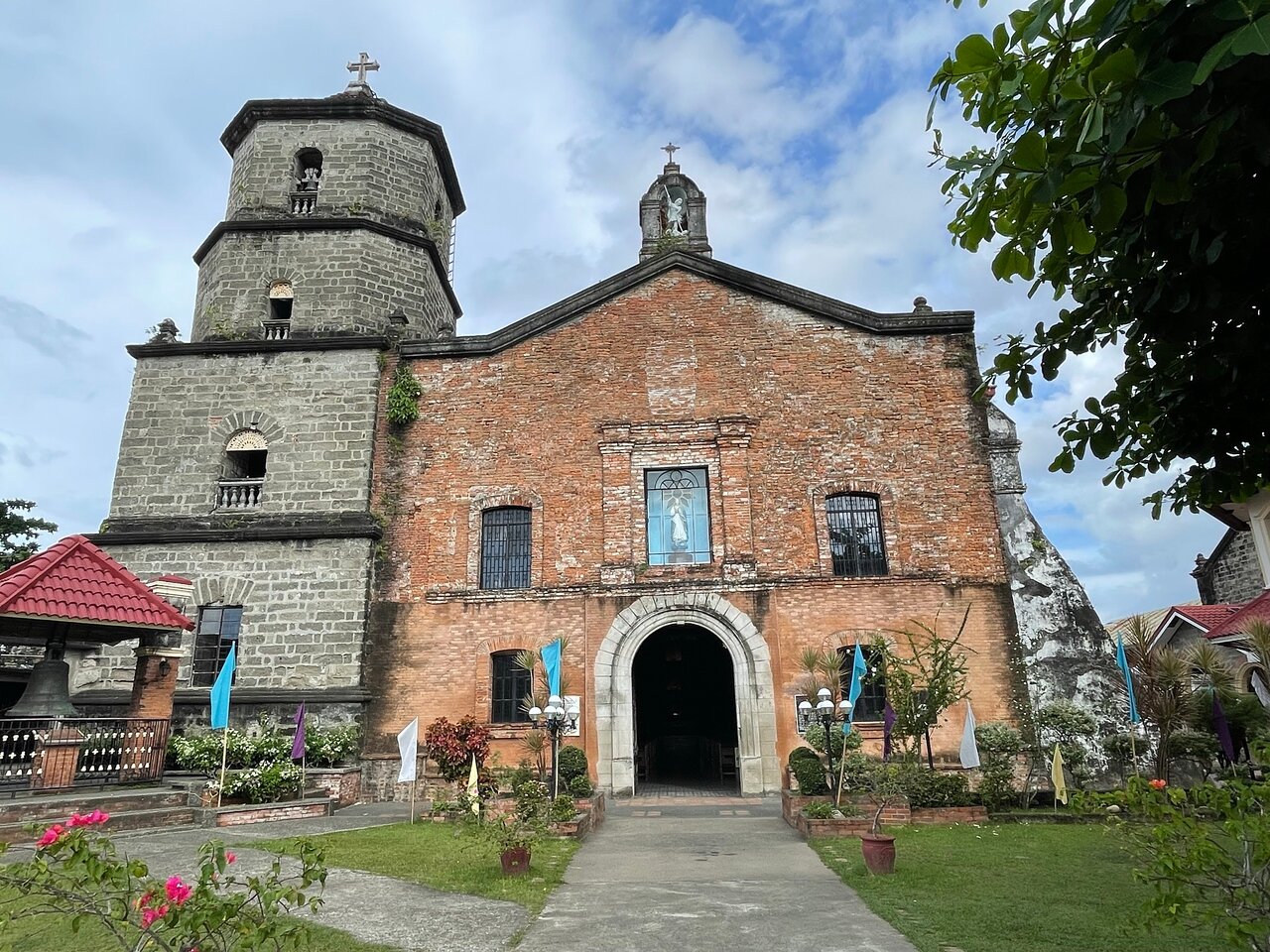
Boac boasts a rich history. The Boac Cathedral, officially known as the Cathedral Parish of the Immaculate Conception, stands as a prominent landmark. This centuries-old church features beautiful architecture and has witnessed significant events in the province's history. Located nearby, the Boac Museum provides an excellent place to delve into the local culture. The museum houses artifacts, photographs, and exhibits that offer deep insights into the island's past.
Boac River & Local Cuisine
The Boac River flows directly through the town, offering a picturesque setting. You can take a relaxing stroll along the riverbanks or enjoy a peaceful boat ride. While in Boac, savor delicious local dishes. Try "sinigang na isda" (sour fish soup), "paksiw na isda" (fish cooked in vinegar), and "laing" (taro leaves cooked in rich coconut milk). Local eateries and small restaurants in town serve these staples daily.
Festivals & Laylay Beach
Boac hosts incredibly vibrant festivals. The Moriones Festival, taking place during Holy Week, draws tourists from across the globe. It involves colorful parades and reenactments of biblical events featuring Longinus, the Roman centurion. Just a short drive from the town center, Laylay Beach provides a serene, uncrowded spot perfect for unwinding and enjoying Marinduque’s coastal beauty.
Poctoy White Beach Mini Guide
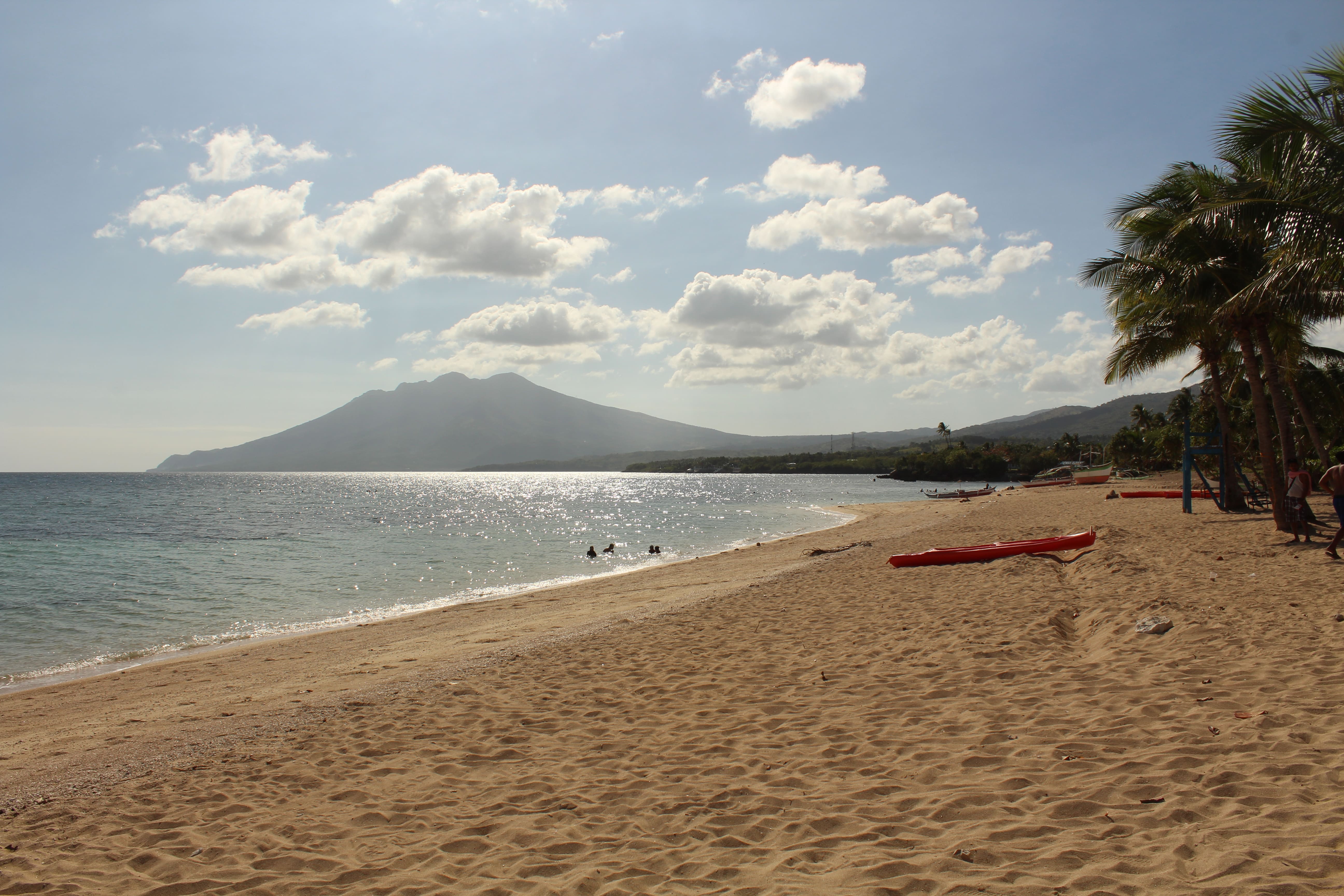
Poctoy White Beach remains one of the most picturesque shorelines in Marinduque. Located in the municipality of Torrijos, it features powdery white sand, crystal-clear waters, and a beautifully serene ambiance.
Spectacular Scenery & Water Activities
The beach features a long stretch of fine white sand, soft to the touch and perfect for sunbathing. Lush greenery and swaying coconut palms frame the backdrop, creating a postcard-perfect tropical setting. The calm waters make it an ideal spot for swimming. Whether you want to take a leisurely dip or engage in adventurous snorkeling and paddleboarding, the beach accommodates all water enthusiasts.
Peaceful Atmosphere & Accommodations
Unlike highly commercialized tourist destinations, Poctoy White Beach maintains a tranquil atmosphere. The absence of massive crowds allows you to appreciate the raw natural beauty of the surroundings. A few beachfront resorts and homestays line the vicinity, making it convenient to stay close to the shore. You will also find fascinating mangrove forests nearby, which protect vital local wildlife ecosystems.
Maniwaya Island Adventures
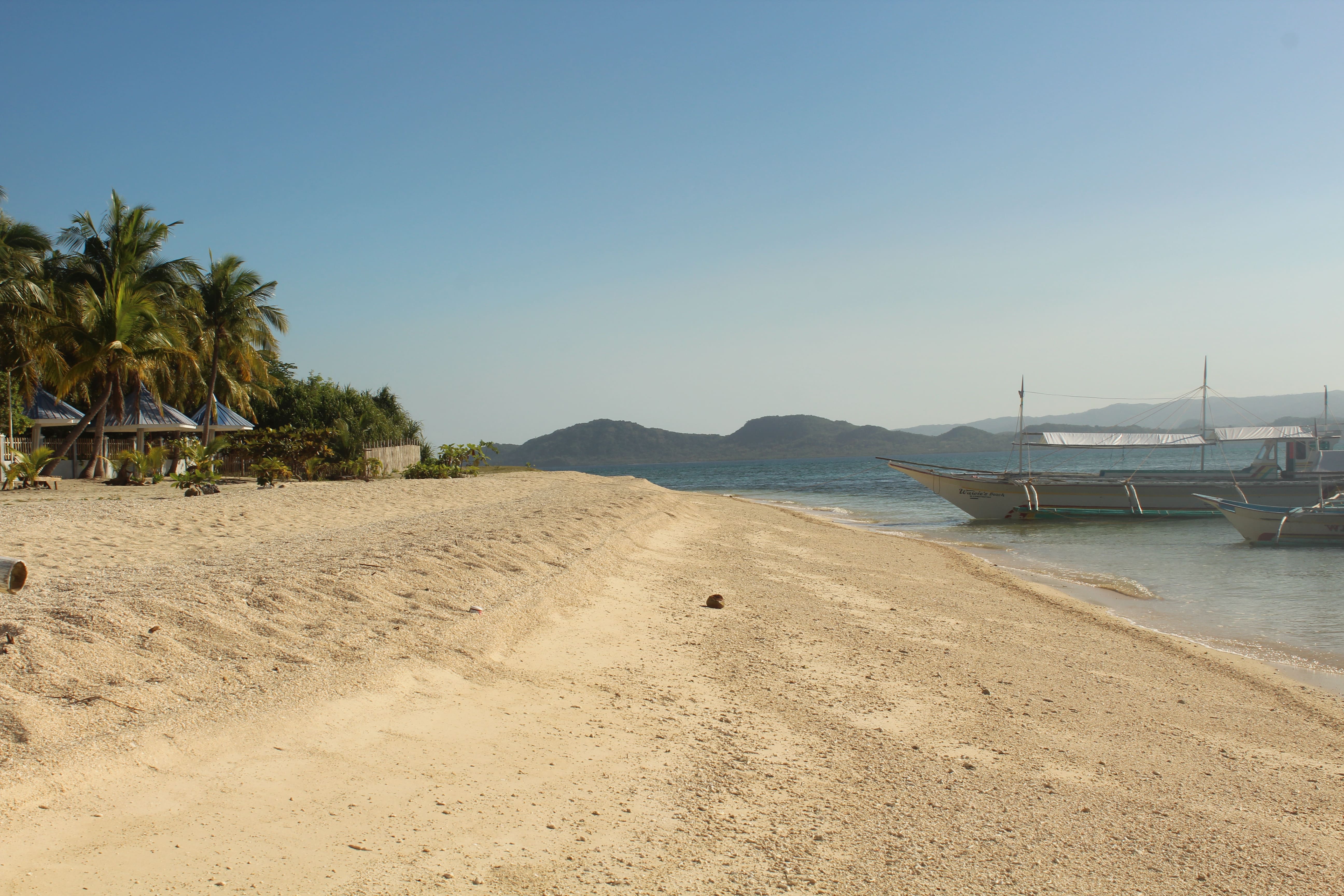
A short boat ride from Marinduque's mainland leads you to Maniwaya Island. Known for powdery white sand beaches and a deeply tranquil ambiance, Maniwaya serves as a true haven for beach lovers.
Palad Sandbar & Island Hopping
One of the unique features of Maniwaya Island is the Palad Sandbar, which emerges brilliantly during low tide. This natural wonder allows you to walk on a narrow strip of sand surrounded entirely by crystal-clear water. Consider going on an island-hopping adventure to explore nearby islets like Mongpong Island and the Twin Islands. These smaller spots offer secluded beaches and excellent snorkeling opportunities.
Scenic Kayaking & Camping
Rent a kayak and paddle around the calm waters surrounding Maniwaya. Kayaking provides a peaceful way to explore hidden coves and get closer to marine life. For those who love the outdoors, Maniwaya Island allows travelers to set up tents right on the beach. Camping under the starry skies and falling asleep to the sound of gentle waves creates a highly memorable experience.
To reach Maniwaya Island from mainland Marinduque, travel to Santa Cruz. Take a tricycle from Balanacan or Balogo Port (about 30-45 minutes). From Santa Cruz, a 20-30 minute boat ride takes you directly to the island. Shared bangka fares cost around PHP 50-100 per person one-way, while private charters run PHP 1,000-2,000 round-trip for a group.
Exploring Other Island Highlights
Bathala Caves & Tres Reyes Islands
For those seeking adventure and a taste of history, the Bathala Caves deliver. These caverns served as hiding places for Filipino revolutionaries during the Spanish era. Today, you can explore the fascinating interiors filled with dramatic stalactites and stalagmites. Another adventure awaits at the Tres Reyes Islands (Gaspar, Melchor, and Baltazar). Bring your snorkeling gear to explore the vibrant marine life beneath the waves.
Mount Malindig & Hot Springs
Hiking enthusiasts will find trekking up Mount Malindig highly rewarding. This dormant volcano offers breathtaking panoramic views of Marinduque and neighboring islands from its summit. After a strenuous day of exploration, unwind at the Buenavista Hot Spring. Soaking in warm, mineral-rich waters amidst lush greenery perfectly rejuvenates tired muscles.
History & The Battle of Pulang Lupa
Marinduque boasts a rich tapestry of history. Before Spanish colonization, indigenous Mangyan communities thrived amid the lush landscapes. The arrival of Spanish colonizers in the late 16th century shaped the island's architecture, heavily evident in the fortress-like Boac Cathedral built in 1656.
The Historic Battle of 1900
The Battle of Pulang Lupa, fought on September 13, 1900, stands as a celebrated Filipino victory during the Philippine-American War. Located in the rugged mountains near Torrijos, this clash pitted Filipino revolutionary forces led by Colonel Maximo Abad against an American detachment under Captain Devereux Shields.
Abad commanded riflemen and bolomen positioned along a steep ridge overlooking a narrow path. The Americans walked straight into the ambush. After hours of gunfire, Shields ordered a retreat, but the Filipinos pursued relentlessly. Cornered in a rice field, Shields raised a white flag. This stunning victory sent shockwaves through the U.S. high command.
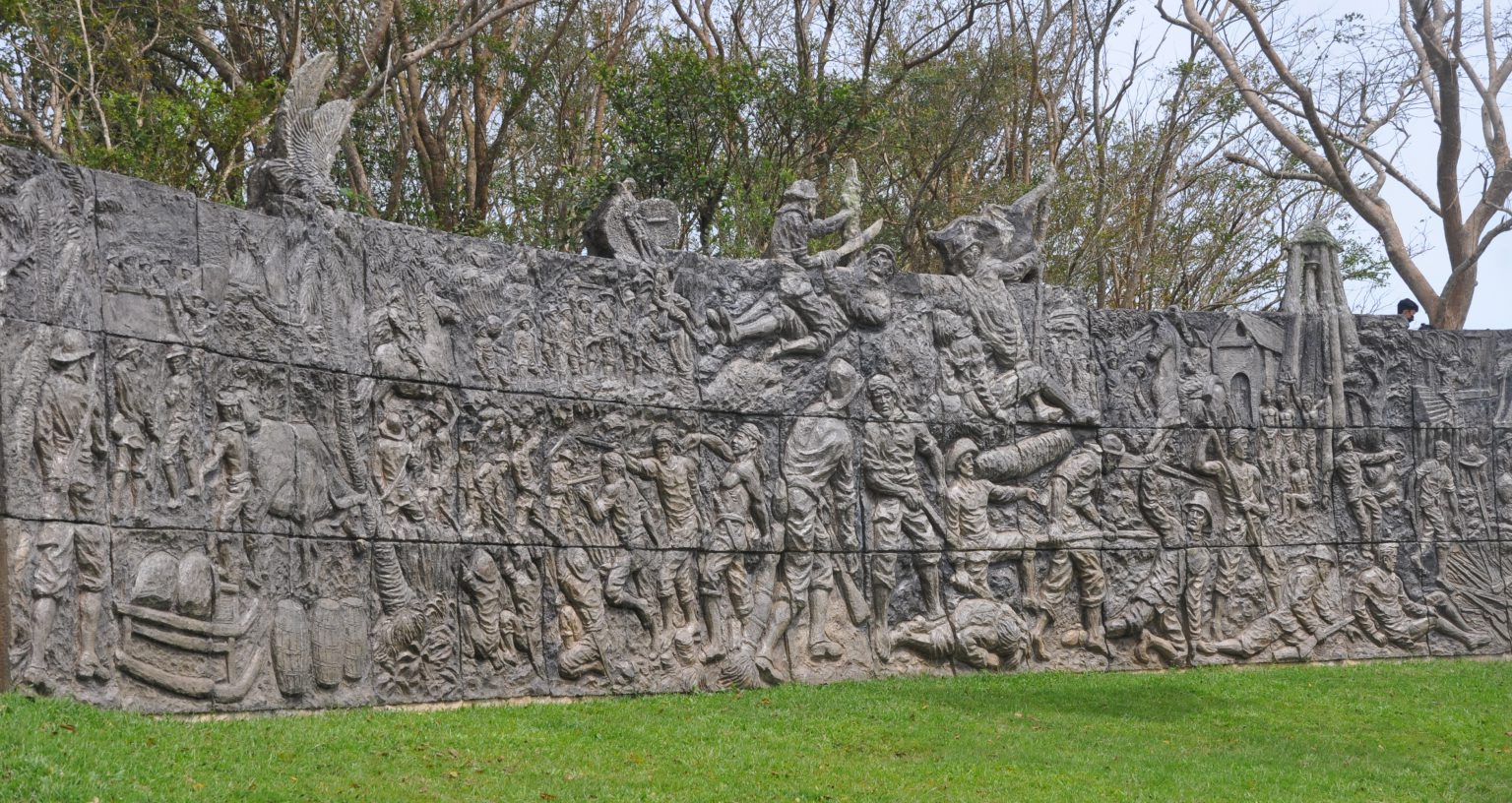
Today, the Pulang Lupa Historical Park in Torrijos marks the battle site with an obelisk, a mural, and sweeping views of the island’s eastern coast. It remains a powerful reminder of Marinduque’s defiance and deep resilience.
How to Get to Marinduque Island
Option 1: By Air (The Fastest Route)
The quickest way to reach Marinduque requires flying from Manila. Cebu Pacific operates flights to Marinduque Airport in Boac. Flights generally run three times a week and take about one hour. Fares start around PHP 499 during promotional sales, but regular tickets range from PHP 1,500 to PHP 3,000.
Option 2: Bus and Ferry (Budget-Friendly)
For a scenic journey, travel by bus and Roll-on/Roll-off (RORO) ferries. Take a direct bus (JAC Liner or JAM) from Manila terminals to Dalahican Port in Lucena. The bus ride takes 3-4 hours and costs around PHP 1,300 (including the RORO ticket). From the port, ferries run multiple times daily to Marinduque. Jeepneys and tricycles wait at the destination ports to take you into the main towns.
Option 3: Driving or Riding a Motorcycle
If you prefer driving your own car or riding a motorcycle, you can take your vehicle directly onto the RORO ferries at Dalahican Port. The cost for a car runs around PHP 1,500–2,000, while motorcycles cost about PHP 800–1,000 one-way. Having your own vehicle gives you absolute freedom to explore Marinduque’s incredible 119-kilometer circumferential road at your own pace.
Visit during the Moriones Festival in Holy Week for an authentic cultural immersion, but book accommodations early - local homestays offer a warm, budget-friendly option. Explore off-the-beaten-path beaches like Laylay or Maniwaya Island midweek to avoid crowds, and negotiate directly with boatmen for better rates.
Try fresh seafood at local carinderias in Boac or Gasan. Dishes like ‘kinilaw’ (raw fish ceviche) taste far better here than in massive tourist spots. Also, don’t miss sampling ‘suman,’ a sticky rice treat wrapped in banana leaves, sold by vendors along the provincial roads.