In This Guide
A Mystical Peak
Tucked away in the lush landscape of the Philippines lies the bewitching Mt. Makiling, a place where nature's wonders intertwine with intriguing folklore. As you embark on a journey to uncover its mysteries, you will find yourself immersed in the enchanting beauty and timeless legends that shroud this mystical mountain. From its verdant forests teeming with exotic flora and fauna to the gentle whispers of the wind that seem to carry the tales of ancient spirits, Mt. Makiling beckons adventurers and storytellers alike. This guide serves as your key to navigating the secrets of this legendary peak, where every path leads to a new discovery and every shadow conceals a hidden story. Join us as we delve into the depths of Mt. Makiling's charm, unraveling the threads of myth and reality that weave together to create an experience unlike any other. Embark on a journey through time and nature as we unveil the captivating allure of Mt. Makiling and the legends that have stood the test of time.
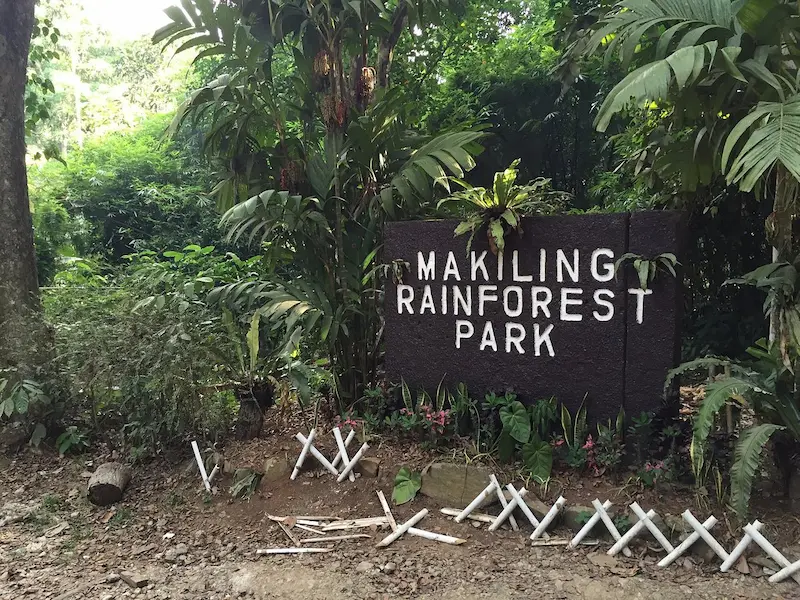
How to Get to Mount Makiling?
Getting to Mount Makiling proves simple. Travelers depart from Manila's major bus terminals (like Cubao or Buendia) using buses bound for Santa Cruz, Laguna. Inform the conductor to drop you off at Olivarez Plaza in Los Baños.
From the plaza, ride a jeepney heading into the UPLB campus, specifically asking for the College of Forestry (CFNR) route. Once you reach the College of Forestry, a short tricycle ride brings you directly to the Makiling Rainforest Park Ranger Station. Register at the station, hire your mandatory local guide, and begin the ascent.
Hiking Trails and Activities on Mt. Makiling
For outdoor enthusiasts, Mt. Makiling offers a plethora of hiking trails that cater to various skill levels, each providing a unique perspective of the mountain's natural beauty. One of the most popular trails is the Mariang Makiling Trail, which leads to the summit at an elevation of 1,090 meters. This trail remains well-marked and takes hikers through lush forests filled with diverse flora and fauna. As you ascend, the trail rewards you with panoramic views of the surrounding landscape, making the effort worthwhile. The cool mountain air and the sounds of nature create a serene atmosphere, perfect for those seeking solace in the great outdoors.
In addition to hiking, visitors can engage in various activities that showcase the mountain's natural wonders. Birdwatching represents a popular pastime, with numerous species of birds inhabiting the area, making it a prime location for both amateur and seasoned birdwatchers. Nature photography acts as another favored activity, as the vibrant flora and fauna provide countless opportunities to capture stunning images.
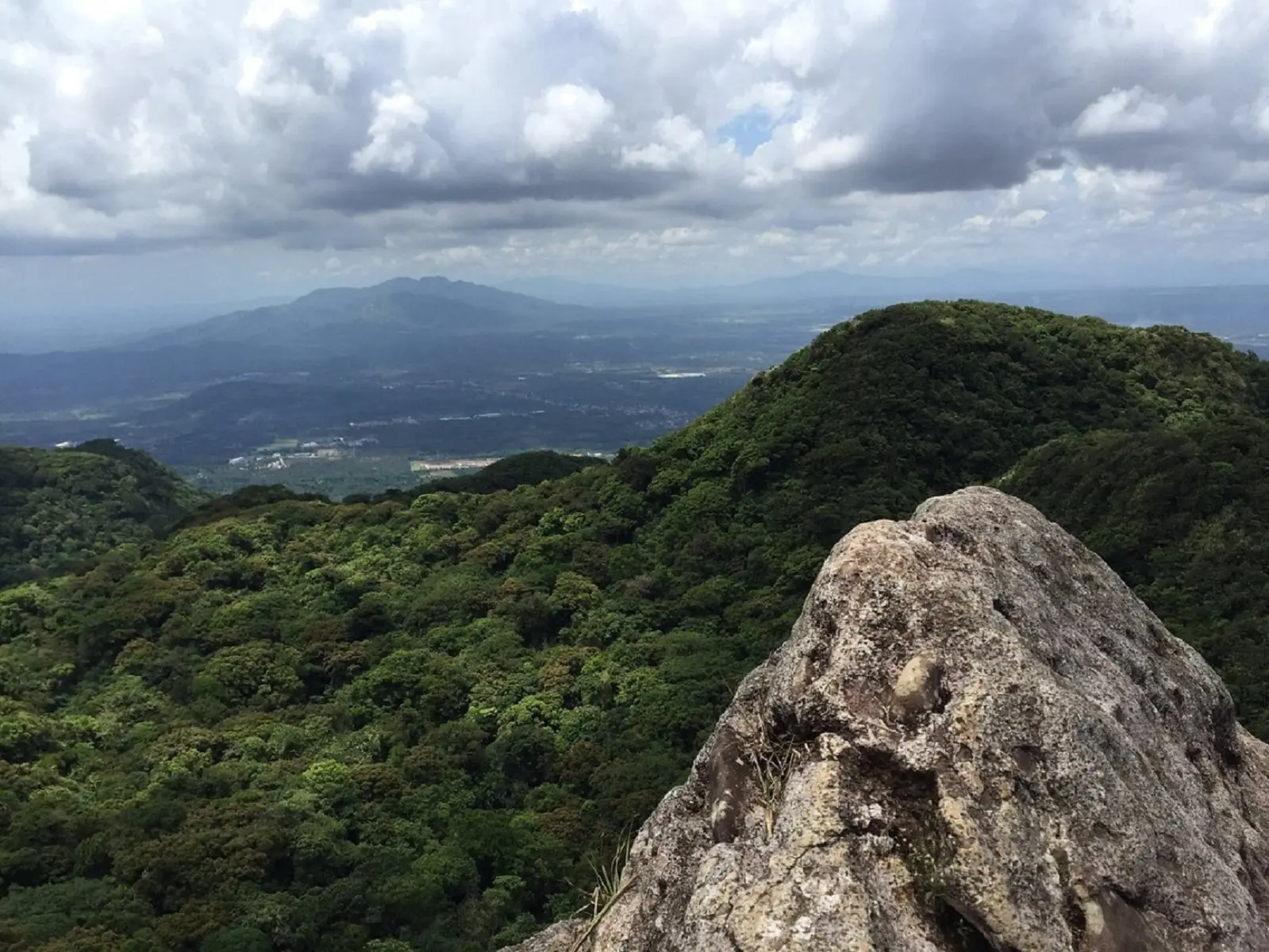
For those interested in studying the environment, guided nature walks led by local experts offer insights into the ecological significance of the mountain, enriching the hiking experience with knowledge and appreciation for the natural world. Camping also serves as an option for adventurous souls wanting to immerse themselves in the beauty of Mt. Makiling. Designated camping areas allow visitors to pitch tents and spend the night under the stars, surrounded by the sounds of the forest. This experience fosters a deeper connection to nature, as the tranquility of the mountain at night envelops you in a cocoon of peace.
Starting point for the Mariang Makiling Trail: The trail begins at Station 1, UP College of Forestry and Natural Resources, located within the University of the Philippines Los Baños (UPLB) campus in Los Baños, Laguna. This serves as the more popular and accessible entry point for hikers. You must register at the ranger station near the College of Forestry before starting the trek. The trail remains well-established and leads to Peak 2, the usual summit destination, taking about 4–5 hours one way.
Mud Springs in Mount Makiling
The mud springs on Mount Makiling stand out as one of the notable geological features of the mountain. These geothermal springs boast bubbling mud pots and sulfuric vents, adding a unique and somewhat eerie character to the mountain's landscape. The mud springs result from the geothermal activity occurring beneath Mount Makiling. The mountain acts as an extinct volcano, and while it is no longer active, residual geothermal processes still take place beneath its surface. These processes lead to the emergence of hot water, steam, and mud. Some of the mud springs on Mount Makiling feature active sulfuric vents.
Sulfur represents a common element associated with volcanic activity, and the presence of sulfuric vents indicates that volcanic gases and heat still exist beneath the mountain. The sulfuric vents release steam and gases with a distinct sulfurous odor. The mud springs often feature bubbling mud pots. These mud pots form when hot water and steam mix with volcanic ash and other sediments in the soil.
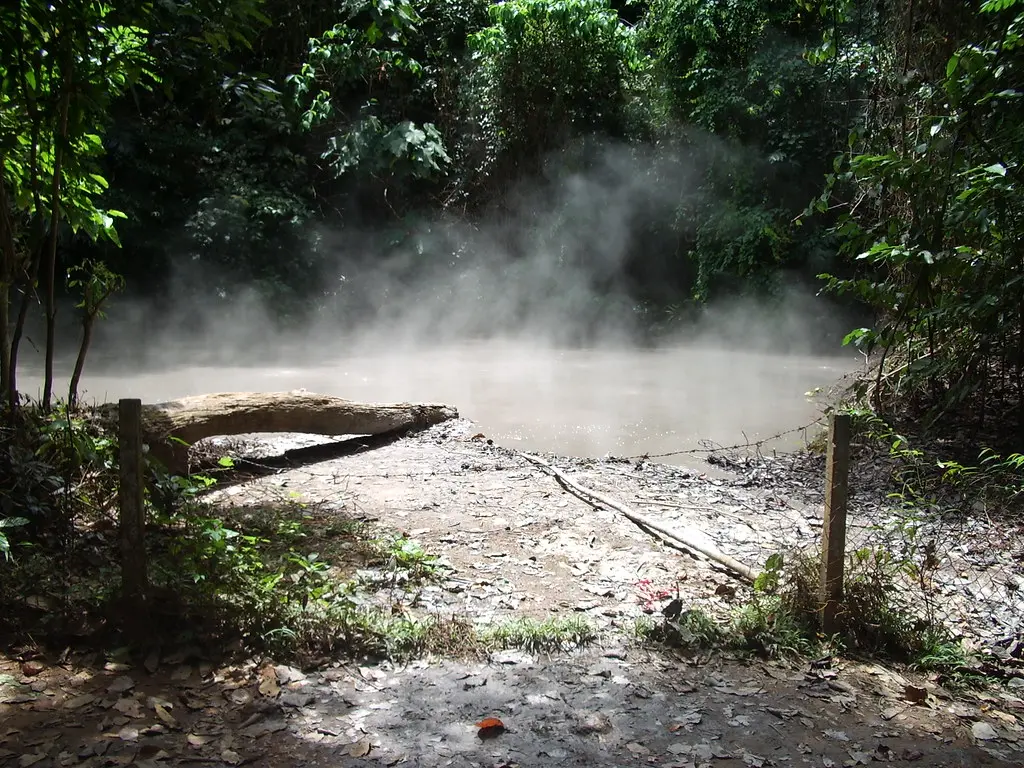
The resulting mixture develops a thick, gooey consistency, and it bubbles up from beneath the ground. It forms not only a visually intriguing natural phenomenon but also an indicator of the geothermal activity in the area. The presence of geothermal activity, including the mud springs, influences the local ecosystem on Mount Makiling. Some plant species have adapted to thrive in these unique conditions, and certain microorganisms inhabit the area. Scientists and researchers study these ecosystems to better understand extremophiles, organisms that survive in extreme environments. While the mud springs fascinate observers, visitors must exercise caution when exploring these areas.
The hot mud and water burn dangerously hot, and the terrain often shifts unstably. Visitors should strictly avoid direct contact with the mud pots and remain mindful of safety guidelines when approaching geothermal features. The mud springs offer excellent educational opportunities for those interested in geology and the earth sciences. Local authorities and conservation organizations provide crucial information about the geothermal processes occurring on Mount Makiling and their deep significance.
Flora and Fauna of Mt. Makiling
Rich Flora of Mount Makiling
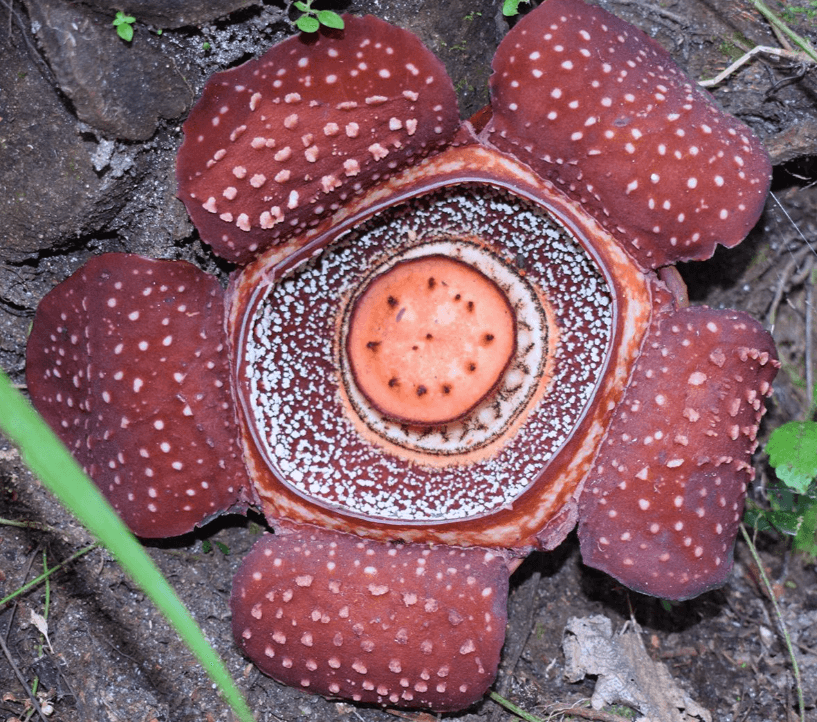
With over 2,000 plant species, its flora includes towering narra and molave trees, rare endemic plants like Medinilla magnifica and the foul-smelling Rafflesia manillana, plus abundant orchids, ferns, and epiphytes thriving in its humid, volcanic forests. These species highlight why Mount Makiling serves as a prime conservation area and a candidate for UNESCO Biosphere Reserve status.
Diverse Fauna and Wildlife
The mountain's fauna proves equally impressive, hosting endemic mammals like the Philippine deer and long-tailed macaque, nocturnal civets, and fruit bats vital for seed dispersal. Birdwatchers flock to spot over 150 species, including the Luzon hornbill, Philippine hawk-eagle, and migratory grey-faced buzzard, while reptiles like the Philippine cobra and flying lizard, plus amphibians like the Luzon fanged frog, roam its trails and streams.
Insects like the Common Bluebottle butterfly and geothermal mud springs supporting aquatic life enrich its ecological diversity. Despite challenges from deforestation and illegal logging, reforestation and conservation efforts protect this natural treasure. Tied to Philippine folklore, the legend of Maria Makiling, a mythical guardian, adds cultural depth to this ecological wonder, making it a must-visit for nature lovers and researchers alike.
Why is Mount Makiling Important?
Mount Makiling, a dormant stratovolcano rising 1,090 meters in Laguna and Batangas, Philippines, functions as a geological treasure within the Macolod Corridor, a volcanic belt near Metro Manila and Los Baños. Known for its volcanic history, the mountain features active geothermal mud springs and hot springs, hinting at its lingering subterranean energy, while its fertile volcanic soil - rich in minerals like potassium and sulfur - underpins its status as a premier biodiversity hotspot. Managed by the University of the Philippines Los Baños (UPLB) as the Makiling Forest Reserve since 1910, it stands as a candidate for UNESCO Biosphere Reserve status, drawing researchers, hikers, and ecotourists to its ecotourism trails. Its proximity to the Philippine Fault Zone highlights its role in understanding Luzon's tectonic evolution, making it a key site for geological research. The mountain's blend of natural wonders and accessibility also positions it as a top hiking destination and a living classroom for studying volcanic ecosystems and sustainable conservation.
Geologically, Mount Makiling's volcanic origins and proximity to the Philippine Fault Zone offer deep insights into Luzon's tectonic past, with its nutrient-rich terrain supporting lush lowland dipterocarp forests, montane mossy forests, and diverse ecosystems. Biologically, it harbors over 2,000 plant species, including endemic flora like the rare, foul-smelling Rafflesia manillana, vibrant Medinilla magnifica, and timber giants like narra and molave, alongside a wealth of orchids, ferns, and epiphytes. Its fauna proves equally remarkable, with endemic species such as the Philippine deer, long-tailed macaque, and over 150 bird species, including the Luzon hornbill, Philippine hawk-eagle, and migratory grey-faced buzzard, thriving in its forests. Reptiles like the Philippine cobra, amphibians like the Luzon fanged frog, and insects like the Common Bluebottle butterfly further enrich its immense biodiversity.
Despite threats from deforestation and illegal logging, conservation efforts and reforestation initiatives strongly protect this ecological wonder, making it a vital site for ecological research, wildlife conservation, and sustainable tourism. Culturally, the mountain ties deeply to the Maria Makiling legend, a mythical guardian in Philippine folklore, adding a unique layer to its appeal. Whether for hiking Mount Makiling, studying its volcanic ecosystems, or exploring its natural beauty, this Philippine biodiversity hotspot remains a must-visit natural attraction near Manila.
Conservation Efforts and Challenges Facing Mount Makiling
Conservation Efforts
UPLB leads massive reforestation initiatives to restore degraded areas of Mount Makiling, planting native species like narra and molave to combat deforestation. These efforts aim to maintain the mountain's lowland dipterocarp forests and montane mossy forests, ensuring safe habitats for endemic species like the Philippine deer and Luzon hornbill. Community-driven projects encourage local participation, fostering sustainable land use and reducing human impact on the Makiling Forest Reserve.
As a living laboratory, Mount Makiling actively supports extensive ecological research by UPLB scientists. Studies on biodiversity, volcanic ecosystems, and species like Rafflesia manillana inform conservation strategies, making it a hub for wildlife preservation and environmental education. The Makiling Biodiversity Information System (MakiBIS) tracks plant and animal populations, aiding in the management of this Philippine forest reserve.
Ecotourism trails, such as the Mariang Makiling Trail, promote awareness of Mount Makiling's natural beauty while generating crucial funds for conservation. Controlled access and visitor education minimize ecological damage, positioning it as a top hiking destination near Manila. Partnerships with local governments in Los Baños and Calamba City strictly regulate resort-based tourism, ensuring sustainable use of geothermal hot springs and groundwater resources.
Challenges Facing Mount Makiling
Despite protections, illegal logging remains a persistent threat, reducing forest cover and endangering species like the Philippine hawk-eagle. Past land clearing for agriculture and settlements fragmented habitats, intensely challenging reforestation efforts. Enforcement remains complicated by limited resources and the mountain's easy accessibility, making it a target for illegal activities.
Proximity to urban centers like Metro Manila and growing populations in Laguna and Batangas drive land conversion for housing and farming. This encroaches on the Makiling Forest Reserve, disrupting ecosystems and increasing human-wildlife conflicts with species like the long-tailed macaque. Unregulated resort development deeply strains groundwater, with anecdotal evidence suggesting declining water temperatures and supply in Calamba City.
Peak seasons bring heavy foot traffic to hiking trails and resorts, leading to littering, trail erosion, and stress on delicate volcanic ecosystems. Overuse of geothermal mud springs severely threatens their sustainability, a key concern for ecotourism management. Surveys show visitors support conservation but resist higher fees, limiting funds for basic upkeep and wildlife conservation.
Best Times to Visit Mount Makiling
Choosing the right time to visit Mt. Makiling proves essential for maximizing the experience, as the mountain's weather varies significantly throughout the year. The dry season, which typically runs from December to May, ranks as the absolute best time for hiking and outdoor activities. During these months, the weather generally stays more stable, with lower chances of rain, allowing hikers to safely explore the trails without the challenges posed by muddy paths and slippery slopes. Clear skies also enhance visibility, providing breathtaking views of the surrounding landscape from the summit.
The months of April and May draw the largest crowds, as they coincide with the peak of the dry season. Many visitors flock to the mountain during this time, drawn by the ideal hiking conditions and the abundance of blooming flora. The vibrant colors of the flowers and the lush greenery of the forests create a picturesque backdrop for outdoor adventures. However, hikers must prepare for the heat, especially during midday, as temperatures rise significantly. Early morning hikes ensure you avoid the intense heat and enjoy the cool, refreshing air of the mountain.
While the dry season remains favored for hiking, the wet season from June to November offers a different perspective of Mt. Makiling's beauty. The heavy rains transform the landscape, making it lush and vibrant, and creating stunning waterfalls and streams. However, hiking during this time presents extreme challenges due to the increased risk of landslides and slippery trails. Those who enjoy the tranquility of fewer crowds may find the rainy months appealing, but hikers must prepare for sudden downpours. Ultimately, the best time to visit depends entirely on individual preferences and the type of experience desired.
Legends and folklore surrounding Mt. Makiling
The legend of Maria Makiling stands as one of the most famous and enduring folktales in Philippine folklore. It closely associates with Mount Makiling, and storytellers have passed the tale down through countless generations. The legend tells the tale of Maria Makiling, a beautiful diwata or fairy who resides on the mountain.
Maria Makiling gained renown for her extraordinary beauty. Villagers described her as a maiden with long, flowing hair, radiant skin, and captivating eyes. Her allure remained unmatched, and many men from nearby villages fell deeply in love with her at first sight.
Among those who fell in love with Maria Makiling was a young and handsome man. He courted her with absolute sincerity and devotion, and the two of them shared a deep and loving relationship. However, as time passed, the man's love for Maria began to wane, and the allure of another woman from the lowlands drew his attention.
When Maria Makiling discovered her lover's betrayal, her heart shattered. In her deep sorrow and anger, she decided to reveal her true nature as a diwata. With her immense supernatural powers, she cursed her unfaithful lover and disappeared forever into the depths of Mount Makiling.
After her disappearance, Maria Makiling became known as the guardian spirit of Mount Makiling. Locals believed she protected the mountain, its natural beauty, and its inhabitants, especially those who showed true respect and reverence for the environment.
Over the years, villagers have attributed various mysterious happenings to Maria Makiling. These include rare sightings of a woman who resembles her, often appearing to travelers or villagers in need of assistance. She would help them and then completely vanish without a trace.
The legend of Maria Makiling carries deep cultural significance in the Philippines. Locals often interpret it as a cautionary tale about the consequences of severe betrayal and the critical importance of respecting the natural world. The story also highlights the enduring connection between the people and the land, with Maria Makiling serving as a dedicated protector of the mountain and its ecosystem.
Communities celebrate the legend of Maria Makiling in various forms, including festivals, dances, and cultural performances. In some regions, people hold grand festivities in her honor to show deep appreciation for her role as a guardian spirit.
The legend of Maria Makiling continues to thrive as a beloved and cherished part of Filipino folklore. It not only adds a fascinating layer of mystique to the natural beauty of Mount Makiling but also serves as a potent reminder of the importance of love, respect, and environmental stewardship.


Start your hike early in the morning to avoid the brutal midday heat and enjoy cooler temperatures, especially on the challenging trails like the Peak 2 route, which offers stunning views but requires immense stamina. Pack lightweight, breathable clothing and sturdy hiking boots, as the trails turn muddy and slippery, particularly near the active mud springs - bring a trekking pole for vital added stability.
Respect the local folklore of Maria Makiling by strictly staying on marked paths and avoiding littering; guides often share her legend, adding a truly mystical touch to your journey through the dense rainforest. Check weather conditions before heading out, as sudden rains quickly make the trails treacherous - local guides from the Makiling Rainforest Park provide invaluable insights for a perfectly safe hike.