In This Guide
The Coastal Charm of Old Santa
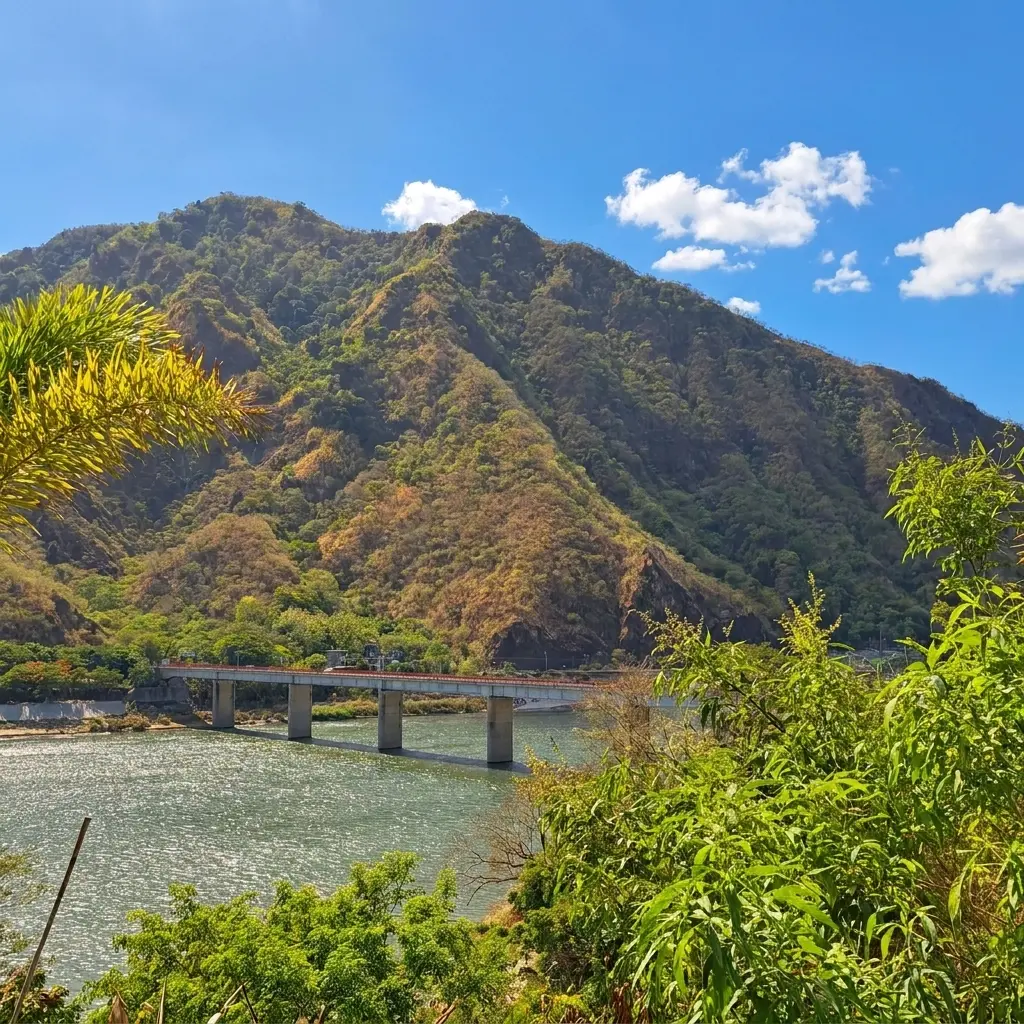
Sandwiched quietly between the bustling heritage city of Vigan and the municipality of Narvacan lies Santa, an unpretentious coastal town that whispers stories of endurance. For the modern traveler racing up the Manila North Road, Santa is often merely a blur of majestic river views out the car window. Yet, for advocates of slow travel, this deeply rural municipality is a poignant stop - a place where the formidable Abra River finally surrenders to the vastness of the West Philippine Sea.
Arriving in Santa feels like stepping into a provincial painting. It lacks the massive commercial crowds of neighboring Vigan; instead, its allure is grounded in the rhythmic crash of ocean waves and the quiet diligence of its locals. The air is tinged with salt, and the pace of life here operates on solar time rather than a ticking clock.
History Forged by the Abra River
To understand the soul of Santa is to understand its complicated relationship with the water. Originally named Santa Catalina de Alejandría, Virgen y Mártir, it was established by Augustinian missionaries in 1576. This makes Santa the second oldest town in the province of Ilocos Sur, preceded only by Vigan.
However, the town you visit today is not sitting in its original location. The history of Santa is uniquely defined by its geographical displacement. During the Spanish colonial era, the town was a fertile, sweeping valley that produced massive quantities of sugar, sugar wine, and indigo. But the powerful Abra River, prone to swelling during intense monsoon seasons, continuously eroded the land. The settlement was forced to relocate its town center three separate times to escape the river's wrath.
This historical game of cat-and-mouse with nature stripped Santa of nearly two-thirds of its arable land, leaving behind a resilient population profoundly shaped by adaptation.
The Legacy of Gabriela Silang
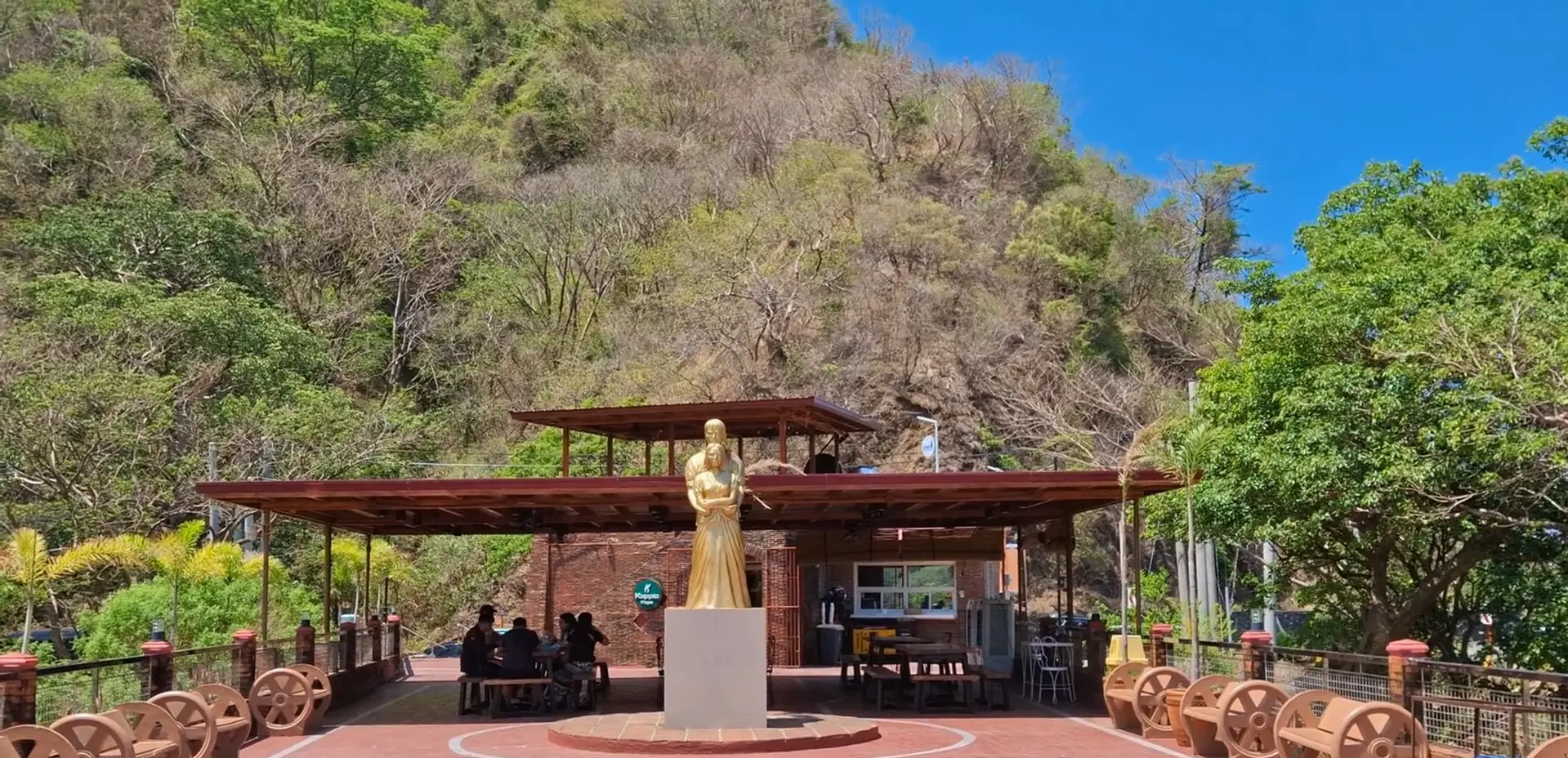
Beyond its shifting riverbanks, Santa holds a fierce place in Philippine history as the birthplace of the legendary Ilocana revolutionary, Maria Josefa Gabriela Cariño de Silang. Born in Barangay Caniogan on March 19, 1731, Gabriela Silang's early years were shaped by the same untamed landscapes and rugged river currents that define the town today.
After the tragic assassination of her husband, Diego Silang, she famously took over the rebel forces, earning her the title of the Joan of Arc of the Ilocos. When you stand along the banks of the Abra River or traverse the rolling hills of Santa, it is easy to imagine the strategic retreats and fierce resilience of Gabriela and her troops. Her indomitable spirit mirrors the very town of her birth-weathering severe storms, adapting to the unforgiving terrain, and bravely refusing to be erased.
Life, Agriculture, and Blacksmithing
Today, the geographical constraints of the municipality have forced its people to pivot creatively. With only about 767 hectares left for extensive agriculture (mostly dedicated to rice production), the people of Santa have turned to the sea and the forge.
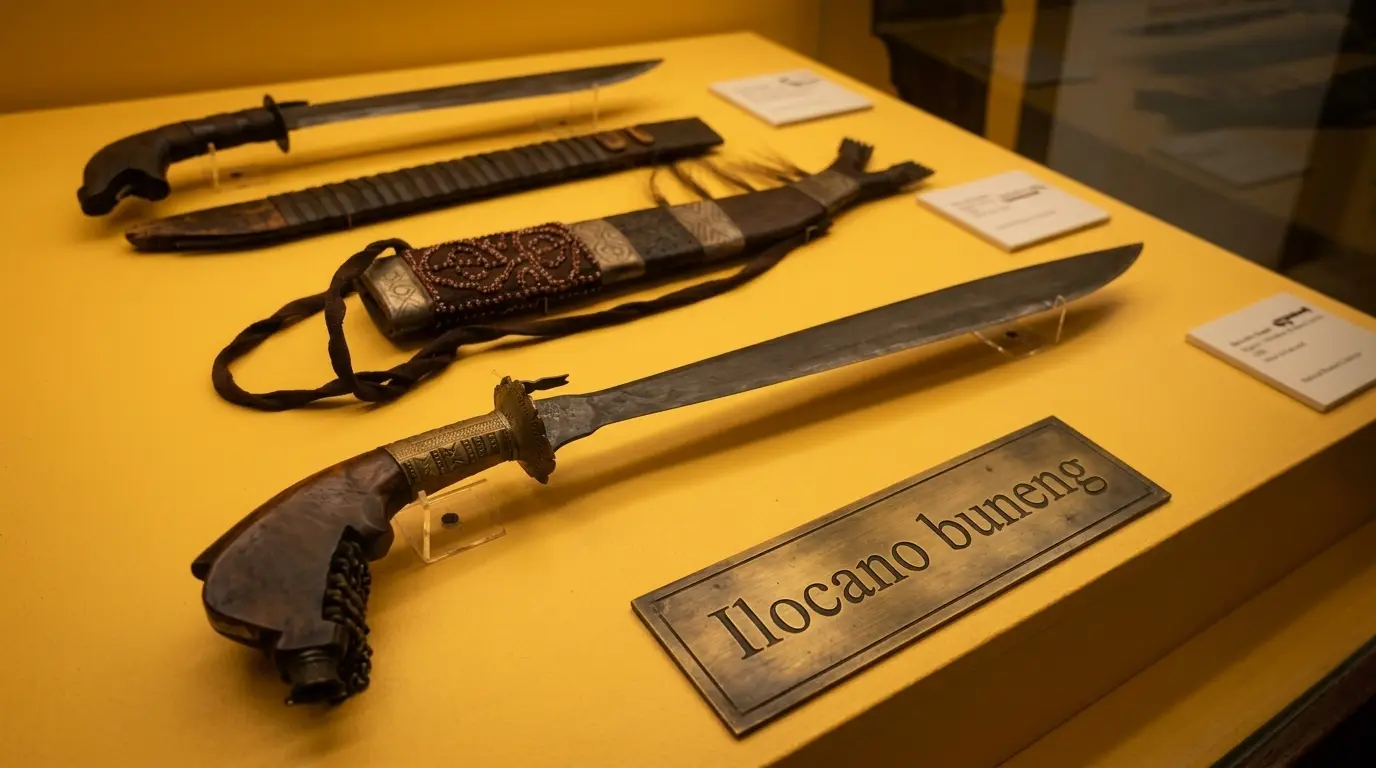
The Blacksmiths of the North: Santa is widely recognized for its exceptional blacksmithing (panday) industry. The tradition dates back to pre-colonial and early revolt days, where locals expertly forged weapons and tools. If you wander the barangays, you will still hear the rhythmic clanging of hammers against hot steel. Today, they produce high-quality wrought iron gates, agricultural implements, and the famous Ilocano buneng (bolo knife).
Emerging Grape Farming: In a brilliant display of utilizing idle, sandy lands near the coast, some local farmers have successfully pivoted to grape farming. This nascent industry provides a fascinating contrast to the traditional rice paddies, adding a touch of agritourism to the town.
Calungbuyan Bridge & Golden Corn Fields
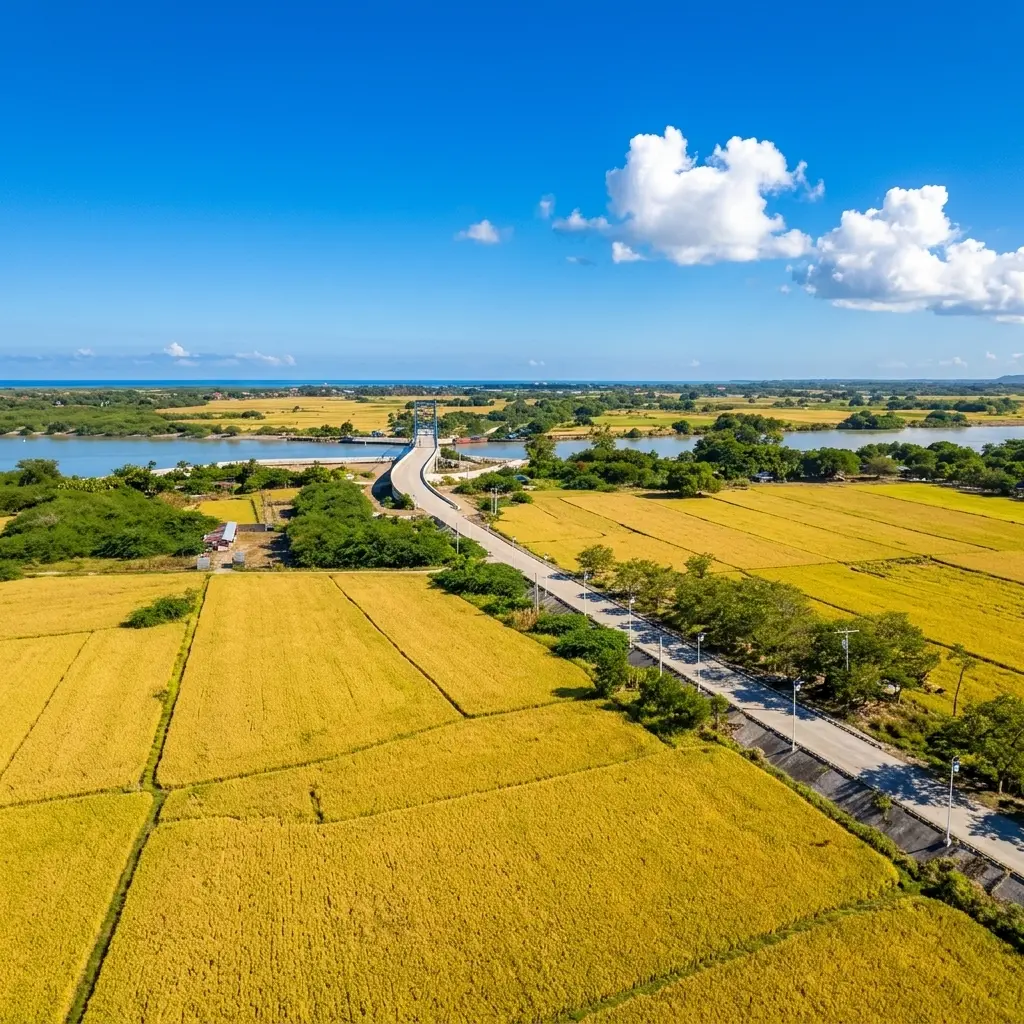
If you want to truly appreciate the sprawling agricultural majesty of Santa, you need to head towards the Calungbuyan Bridge. While the Banaoang Bridge gets most of the mainstream attention, Calungbuyan offers a distinctly pastoral, deeply provincial aesthetic that is an absolute dream for photographers and drone pilots.
From an aerial perspective, the bridge cuts a striking figure across the water, flanked by vast, vibrant corn fields that turn a brilliant golden-yellow just before harvest. These sweeping corn rows represent the agricultural backbone of the interior barangays. Launching a drone here reveals the stunning contrast between the geometric rows of crops, the meandering river tributaries, and the distant mountain silhouettes. It is a mesmerizing testament to how the locals have cultivated life in harmony with the region's dynamic waterways.
Connecting Your Ilocano Journey
Santa’s location along the national highway makes it the perfect transitional stop. Instead of rushing through, consider lingering here before or after visiting the surrounding Ilocos Sur gems:
- Vigan City: Just 20 kilometers north, step back in time along the cobblestone streets of Calle Crisologo. The serene isolation of Santa perfectly balances the bustling heritage tourism of Vigan.
- Northern Luzon Heroes Hill National Park: Located right within Santa, this protected landscape offers historical monuments and lush trails overlooking the sea.
- Sigay: Head inland towards the highlands of Sigay to discover the province's burgeoning coffee culture. The upland farmers cultivate robusta coffee, offering a warm cup that perfectly complements the cool highland breeze.
- Narvacan: Head just a few kilometers south to taste authentic Ilocano bagnet (deep-fried crispy pork belly) straight from its reputed birthplace.
Logistics & Travel Guide
Travel Directions
Santa is highly accessible as it sits directly along the Manila North Road (MacArthur Highway). For detailed local tourism initiatives, check out the Provincial Government of Ilocos Sur website.
- By Bus: Any northbound bus from Manila heading to Vigan or Laoag (Partas, Viron, Dominion) will pass directly through Santa. Simply ask the driver to drop you off at the town proper or near the Banaoang Bridge. The trip takes about 7 to 8 hours from Metro Manila.
- By Air: You can fly into Laoag International Airport (in Ilocos Norte) and take a 2-hour bus ride south towards Vigan, stopping at Santa along the way.
Pacing Your Visit
Dedicate at least half a day to Santa. Start your morning admiring the architectural marvel of the Quirino Bridge, spend the late morning visiting a local blacksmithing shop to purchase a handcrafted souvenir, and enjoy an afternoon exploring the coastal barangays and the nascent grape farms.
The Lazy Traveler Verdict
Summary: Santa may not have the massive tourism infrastructure of Vigan, but its rugged authenticity is its greatest asset. It is a town defined by resilience - a quiet, powerful place where the heritage of blacksmithing and the brute force of the Abra River leave a lasting impression.