In This Guide
The Quiet Allure of Sigay
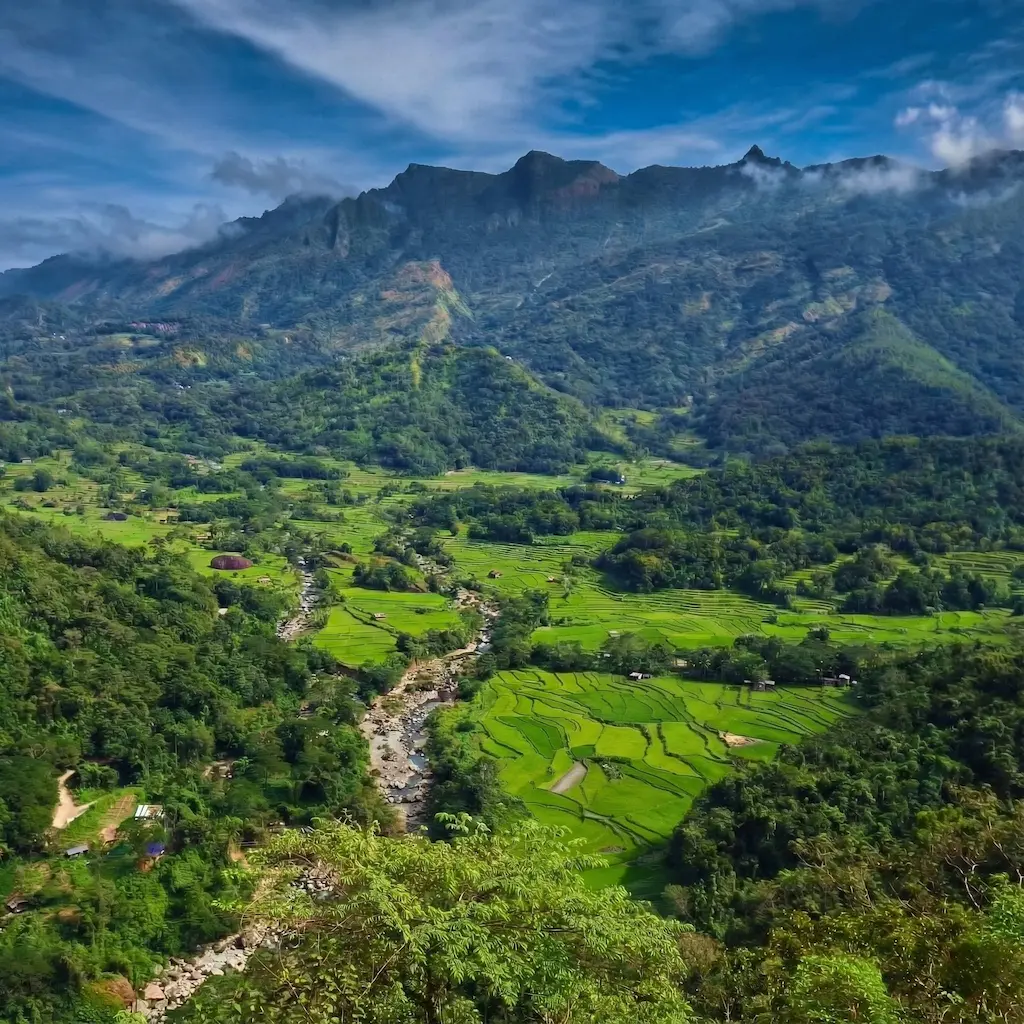
Sigay is a deeply hidden gem in Ilocos Sur, perfectly embodying the spirit of uncommercialized slow travel. Nestled near the Cordillera mountain ranges, the municipality is celebrated for its crisp, cool climate and profoundly rustic scenery. The town is bounded by the Quinibor River to the north, and the Ida and Suyo Rivers to the south, creating a fertile and beautifully isolated enclave.
Spanning an area of just over 80 square kilometers, much of Sigay's lush forests remain entirely untouched. For travelers looking to disconnect from heavy tourism infrastructure, Sigay offers an authentic rural immersion. You will not find crowded souvenir rows here; instead, you'll discover pristine nature, winding mountain trails, and a peaceful silence broken only by the flow of rivers.
How to Go to Sigay from Manila
Because of its rugged geography, getting to Sigay takes a bit of commitment, but the journey is visually rewarding.
- Take a Bus to Candon City: From Cubao or Pasay in Manila, board any bus bound for Laoag, Vigan, or Abra (such as Partas, Dominion, or Viron Transit). Ask the conductor to drop you off at Candon City, Ilocos Sur. The travel time is roughly 6 to 8 hours depending on traffic.
- Head to the Terminal: Once in Candon City, take a tricycle to the jeepney terminal catering to the upland municipalities.
- Jeepney to Sigay: Jeepneys traveling to Sigay usually have a specific, limited schedule (often just one or two trips a day, typically leaving before noon). The ride takes about 1.5 to 2 hours.
- Hire a Habal-Habal (Alternative): If you miss the jeepney, you can negotiate with a local motorcycle taxi (habal-habal) from Candon to take you up the mountains, though this will be significantly more expensive.
What to Do in Sigay
Sigay isn't about checking off a massive list of tourist traps. It's about grounding yourself in nature and local culture.
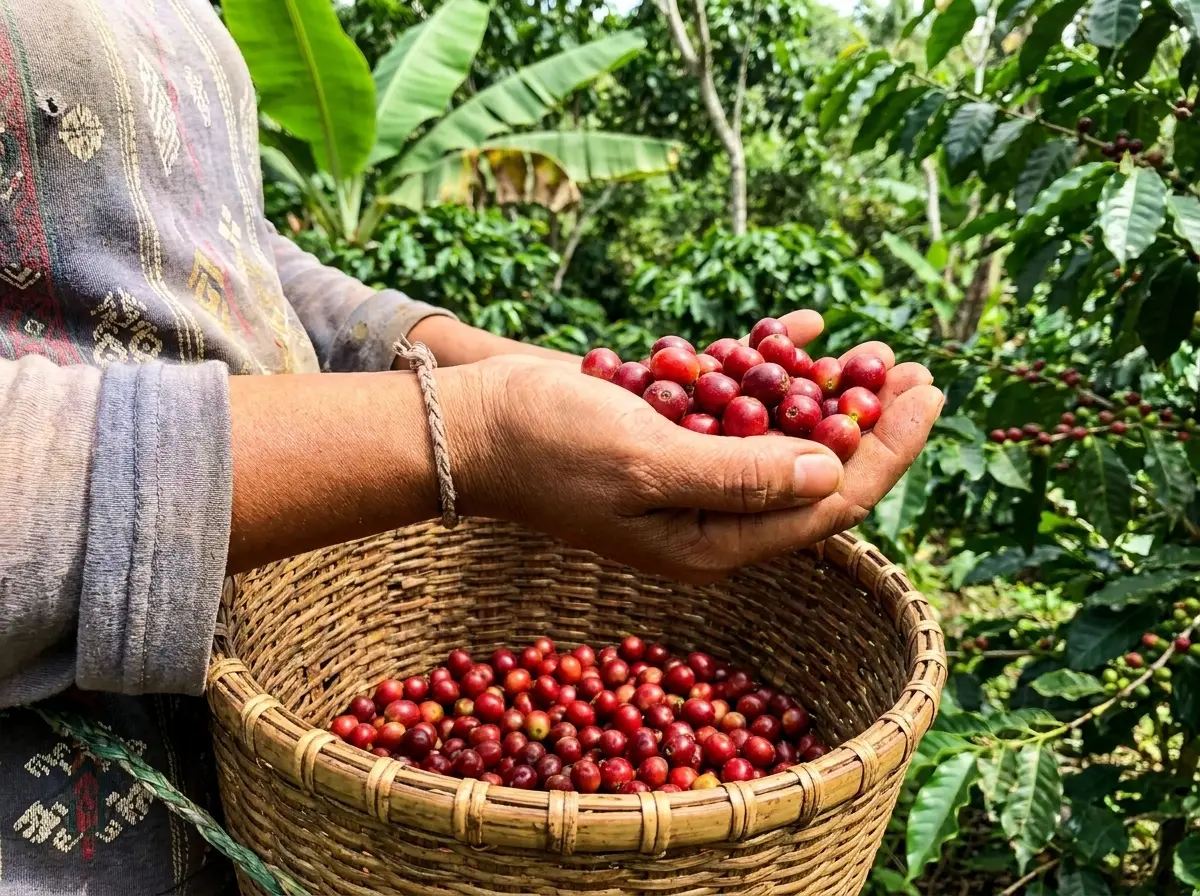
- Explore the Coffee Farms: Sigay is widely recognized as the Coffee Capital Town of Ilocos Sur. Take a morning walk through the local farms, learn about the cultivation of robusta beans, and enjoy a freshly brewed cup while overlooking the mountains.
- Trek the Rice Terraces: While smaller than those in Banaue, Sigay's terraced hillsides are vibrant, uncrowded, and wonderfully photogenic.
- Cross the Hanging Bridges: The municipality features several rustic hanging bridges connecting different barangays over deep river gorges. Walking across them offers an exhilarating vantage point of the untouched valleys below.
Chasing Aw-asen Falls
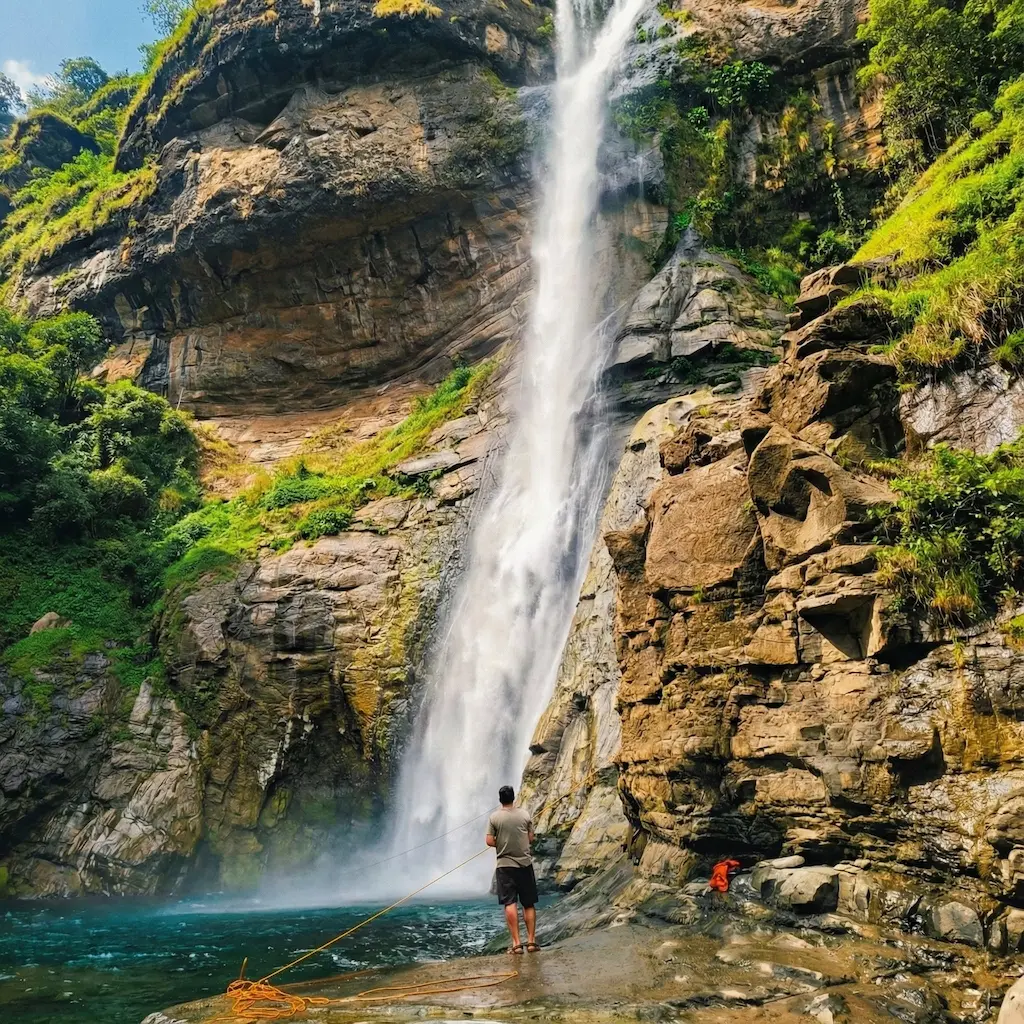
The crown jewel of Sigay's natural attractions is undoubtedly the majestic Aw-asen Falls. Tucked deep within a highland valley, this towering cascade stands at an impressive 142 feet (43 meters), dropping heavily into a cold, deep catch basin.
What makes Aw-asen Falls special is that it isn't an effortless roadside attraction—it requires a genuine sense of adventure. Reaching the falls involves navigating a deeply forested trail that typically takes about 45 minutes. Highlights of the trek include:
- The Hanging Bridge: The approach involves crossing a dramatic, kilometric hanging bridge that sways gently over the river below.
- River Crossings: Prepare to get your feet wet. The trail demands careful river crossings that vary in difficulty depending on the season.
- The Final Reward: Standing at the base of Aw-asen, you are met with the roaring sound of water crashing from over a hundred feet above.
The Coffee Capital Experience
If the natural landscapes don't instantly win you over, the local brews certainly will. Sigay holds the proud distinction of being the Coffee Capital Town of Ilocos Sur.
The town is highly regarded as the home of the best robusta coffee in the province. Thanks to the high elevation (exceeding 2,100 feet) and the fertile soil suited for diversified crops, coffee farming is deeply ingrained in the local community. Spending a chilly morning sitting on a rustic porch, sipping a freshly brewed cup of local robusta while looking out over the mountain ranges, is the quintessential slow-travel experience.
What to Pack for Sigay
Preparation is vital for rural travel. Since Sigay lacks heavy commercialization, you need to bring essentials with you:
- Cash: There are no ATMs in the mountains. Withdraw enough cash in Candon City for transport, food, guides, and environmental fees.
- Trekking Sandals or Shoes: The hike to Aw-asen involves getting wet. Waterproof trekking sandals with excellent grip are highly recommended.
- Warm Clothing: Due to its high elevation, nights and early mornings in Sigay can get quite chilly. Pack a light jacket or fleece.
- Dry Bags and Rain Gear: Weather in the highlands is unpredictable. Protect your electronics with a dry bag, especially when near the waterfalls.
- Reusable Water Bottle & Snacks: Keep yourself fueled on the trails while minimizing plastic waste.
Where to Eat in Sigay
Do not expect fast-food chains or fancy restaurants here. Dining in Sigay is a deeply localized experience.
Most travelers eat at their arranged homestays, where hosts prepare hearty, home-cooked Ilocano meals using fresh, locally sourced ingredients (expect a lot of fresh vegetables, native chicken, and local stews). There are also a few small carinderias (local eateries) near the municipal hall serving basic meals.
If you are heading out for a long hike to Aw-asen Falls, it is strongly advised to buy snacks, bread, or packed meals in Candon City before making the ascent to Sigay.
Where to Stay in Sigay
Accommodation options in Sigay are limited, which preserves its peaceful atmosphere.
- Local Homestays: The best way to experience Sigay is by arranging a homestay. You can coordinate with the local tourism office upon arrival at the Municipal Hall, and they will connect you with welcoming local families who rent out spare rooms.
- Camping: For the adventurous, there are designated clearings where you can pitch a tent. Always ask for permission from the barangay officials before setting up camp.
- Stay in Candon City: If you prefer standard hotel amenities (air conditioning, Wi-Fi, private hot showers), you can book a hotel in Candon City and simply do a day trip to Sigay.
Sample 2D1N Sigay Itinerary
Day 1: Arrival & Coffee Immersion
- 08:00 AM: Arrive in Candon City, eat breakfast, and withdraw cash.
- 10:00 AM: Catch the jeepney or habal-habal up to Sigay.
- 12:00 PM: Arrive at Sigay Municipal Hall, register, pay environmental fees, and settle into your homestay.
- 01:30 PM: Enjoy a home-cooked Ilocano lunch.
- 03:00 PM: Afternoon walk to the local robusta coffee farms and the rice terraces.
- 06:00 PM: Dinner at the homestay and early rest.
Day 2: The Waterfall Adventure
- 06:00 AM: Wake up early for a freshly brewed cup of Sigay robusta coffee.
- 07:00 AM: Meet your local guide and start the trek to Aw-asen Falls.
- 08:00 AM: Arrive at Aw-asen Falls. Swim, relax, and take photos.
- 10:30 AM: Trek back to the town proper.
- 11:30 AM: Wash up and eat an early lunch.
- 01:00 PM: Catch the transport back down to Candon City for your onward journey.
The Lazy Traveler Verdict
Summary: Sigay is not for the faint of heart, but for those who make the journey, the rewards are unmatched. Between the breathtaking drop of Aw-asen Falls, the lush agricultural terraces, and the endless flow of local robusta coffee, it is a masterclass in off-the-grid travel.