In This Guide
Discovering Quituinan Hill
Tucked away in the municipality of Camalig, Albay, Quituinan Hill offers an experience drastically different from standard mountain treks. Instead of a grueling physical climb, visitors encounter a sprawling, picturesque meadow that effortlessly blends rich World War II history with arguably the most stunning, unobstructed views of the Mayon Volcano in the entire province.
Pastoral Charm & Unobstructed Views
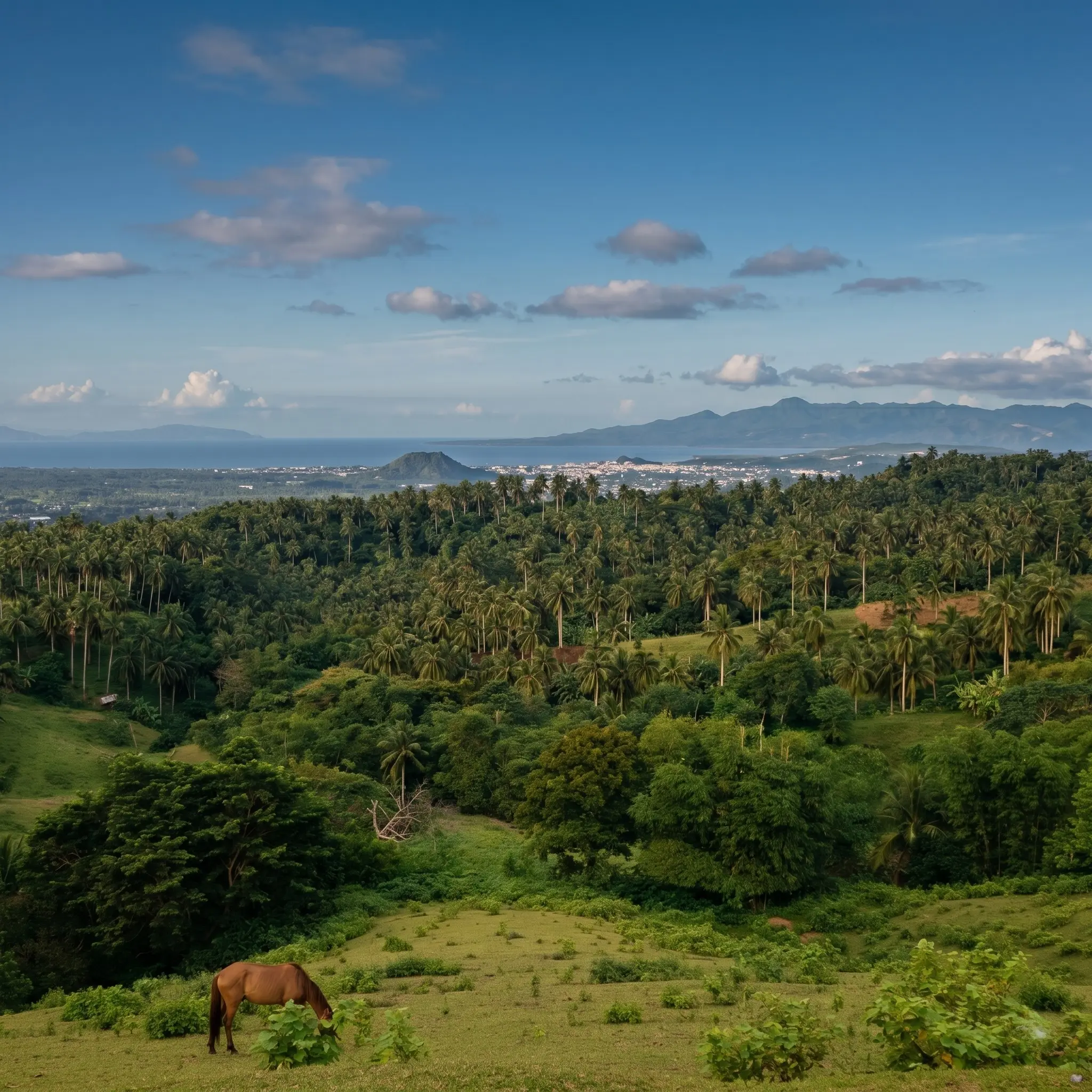
Reaching the summit requires minimal effort, making it a beloved spot for families and slow-paced travelers. Wide, rolling green pastures stretch across the hilltop, creating a perfect environment for laying down a blanket and enjoying a quiet picnic.
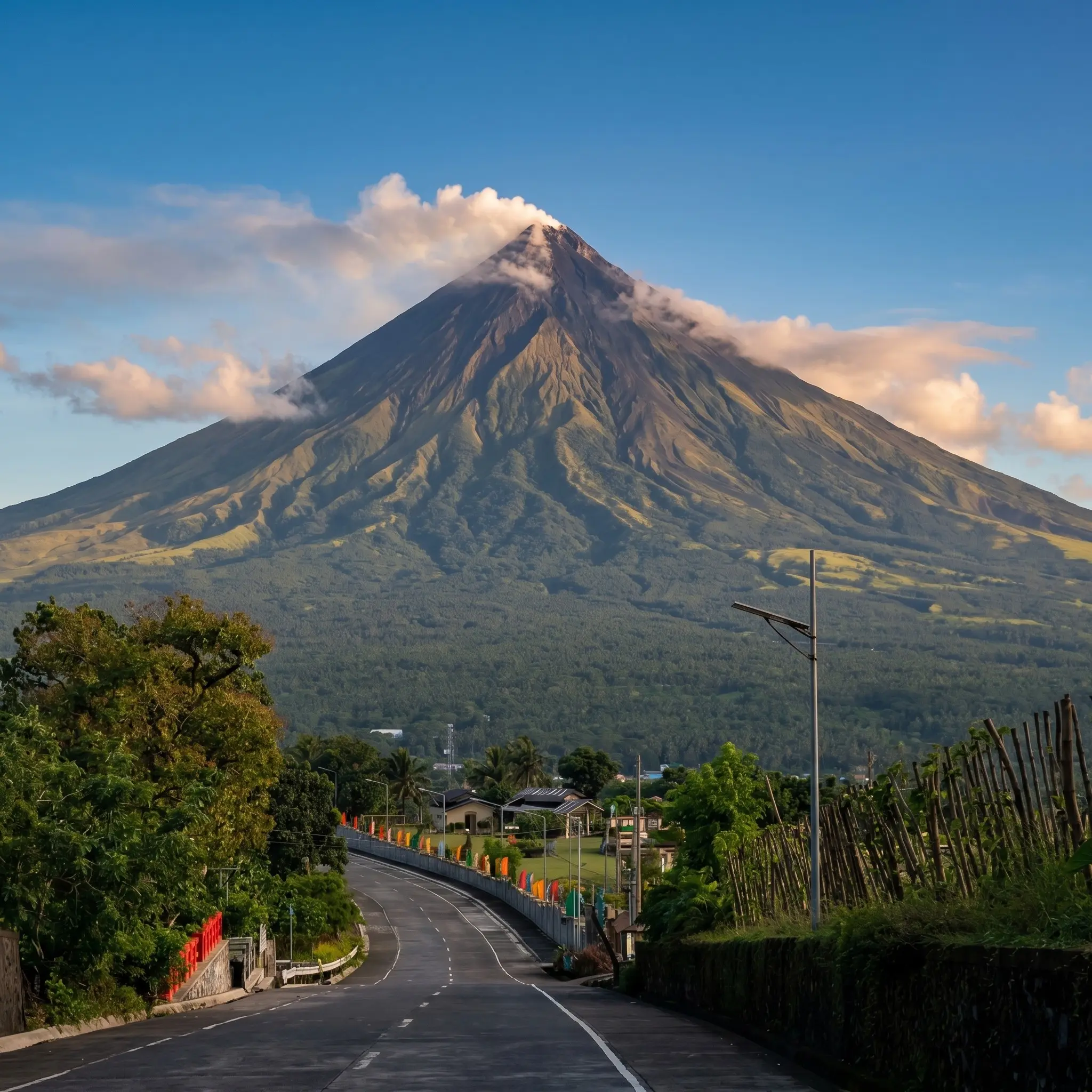
Because the hill stands separate from dense forest cover, it serves as a premier vantage point for landscape observation. The sheer scale of the volcano viewed from this grassy plateau leaves an unforgettable impression. Horses and cows frequently graze freely along the ridges, enhancing the rustic, provincial atmosphere.
Exploring the WWII Japanese Tunnels
Beyond its natural beauty, Quituinan Hill hides a fascinating, sobering history beneath its soil. During the 1940s occupation, the Imperial Japanese Army quickly recognized the tactical advantage of this specific plateau. Securing an unobstructed view of Mount Mayon also meant commanding a clear line of sight over the surrounding Camalig plains and the distant Legazpi coastline. Japanese forces utilized this high ground to monitor approaching Allied forces and local Bicolano guerrilla movements.
To fortify their position, the military excavated a massive subterranean network deep beneath the pastoral meadows. Forced local laborers and prisoners of war carved these damp, narrow corridors by hand using basic tools. The underground complex functioned as a secure garrison, a concealed weapons depot, and a fortified bunker designed to shield soldiers from intense Allied bombing raids during the liberation of the Philippines.
Today, local caretakers preserve specific sections of these tunnels, allowing visitors to enter and explore the labyrinth. Stepping inside offers a deeply immersive historical experience. A sudden drop in temperature greets you the moment you leave the humid Albay sun and enter the dark archways. The clay walls remain cold to the touch, echoing the harsh realities of the soldiers and laborers who once occupied the space.
The ceilings drop quite low in several sections, forcing explorers to duck and crouch through the winding corridors. Because the earth traps moisture, the clay floors remain perpetually damp and slippery. Navigating the dark, uneven terrain requires careful footing, making a reliable flashlight and proper closed-toe sneakers absolute necessities for anyone venturing inside.
If you plan to explore the Japanese tunnels, skip the sandals and wear proper sneakers—the clay floors get incredibly muddy and slippery, even during the dry season. For the best Mayon photos, arrive by 6:00 AM; the volcano almost always hides behind thick clouds by mid-morning!
Photography & The Golden Hour
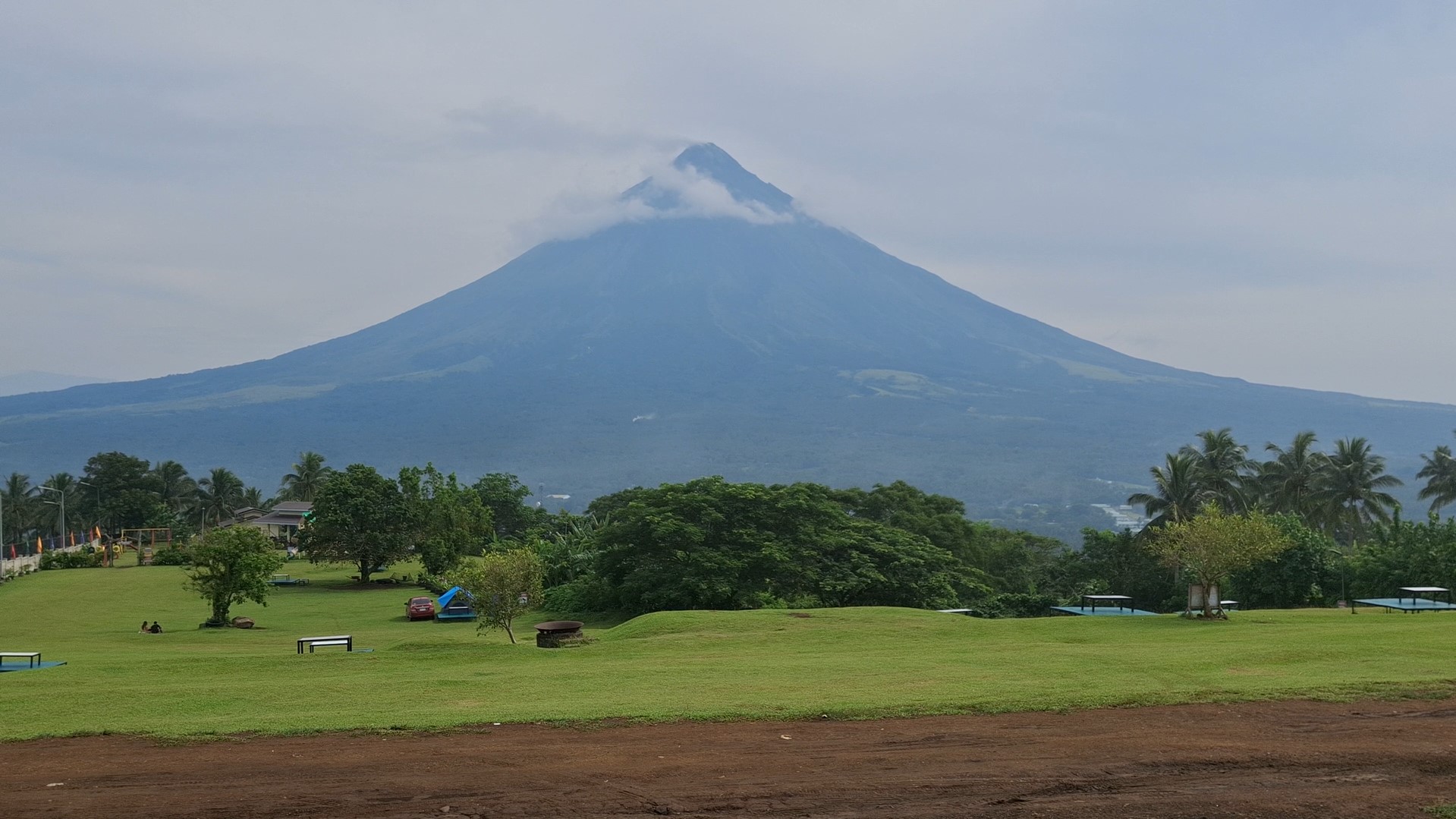
Capturing the perfect shot of Mount Mayon requires precise timing. The volcano holds a notorious reputation for acting "shy," often hiding behind a thick blanket of clouds by mid-morning. Because the volcano remains highly active, smart travelers frequently consult the latest PHIVOLCS volcano bulletins before planning their photography trips. To guarantee the best visibility, plan your arrival between 5:30 AM and 6:30 AM. During this brief window, the crisp morning air usually keeps the cloud cover at bay, giving photographers a completely unobstructed, sharp view of the iconic perfect cone.
What to Pack for a Picnic
Since this destination caters heavily to relaxation rather than intense trekking, pack a comfortable picnic mat and local snacks bought from the Camalig town market. The open meadows offer zero natural shade, making high-SPF sunscreen, sunglasses, and a wide-brimmed hat absolutely essential. Bring a small flashlight or use your phone's light if you intend to navigate the darker corners of the historical tunnels.
Travel Logistics & Costs
How to Get There
From Legazpi City, board a jeepney bound for Camalig, Guinobatan, or Polangui, and ask the driver to drop you off at the Camalig town proper. The fare costs roughly 25 PHP. From the town center, hire a local tricycle to take you directly to Quituinan Hill in Barangay Tinago. A round-trip tricycle ride usually costs between 300 to 400 PHP, which includes the driver waiting for you while you explore.
Entrance Fees & Costs
The local barangay charges a minimal entrance fee of 50 PHP per person to maintain the grounds and the tunnel access. If you wish to experience horseback riding along the ridge, local handlers offer short guided rides for around 50 to 100 PHP.
Pairing Your Trip & Nearby Spots
Since exploring Quituinan Hill only consumes a couple of hours, you can easily pair this destination with other exceptional, slow-living spots nearby. The Local Government of Camalig heavily promotes eco-tourism, making it incredibly easy to hop between uncommercialized sites in a single day:
- Quitinday Green Hills: Head over to the "Chocolate Hills of Bicol" for an easy trek up rolling emerald peaks.
- Sumlang Lake: Unwind after your historical tunnel exploration by floating on a traditional bamboo raft across peaceful waters.
- Solong Eco Park: Trade the sun-drenched meadows for cool, shaded forest trails and fascinating cave systems just a short drive away.
- Kawa Kawa Hill: Visit the neighboring city of Ligao to walk the rim of this unique geographical formation, famously known as "the hill without a top."
The Lazy Traveler Verdict
Summary: Quituinan Hill perfectly blends sobering WWII history with arguably the best, most unobstructed views of Mount Mayon in Albay. The lack of shade requires careful timing, but the pastoral charm and historical depth make it an unforgettable slow-travel destination.