In This Guide
The Charm of Bacacay
Bacacay is a vibrant municipality on the east coast of Albay, widely accessible via the scenic Legazpi-Tiwi coastal road. Flanked by the municipalities of Santo Domingo and Malilipot, the town boasts a unique shoreline that graciously faces both the Lagonoy Gulf and the Albay Gulf.
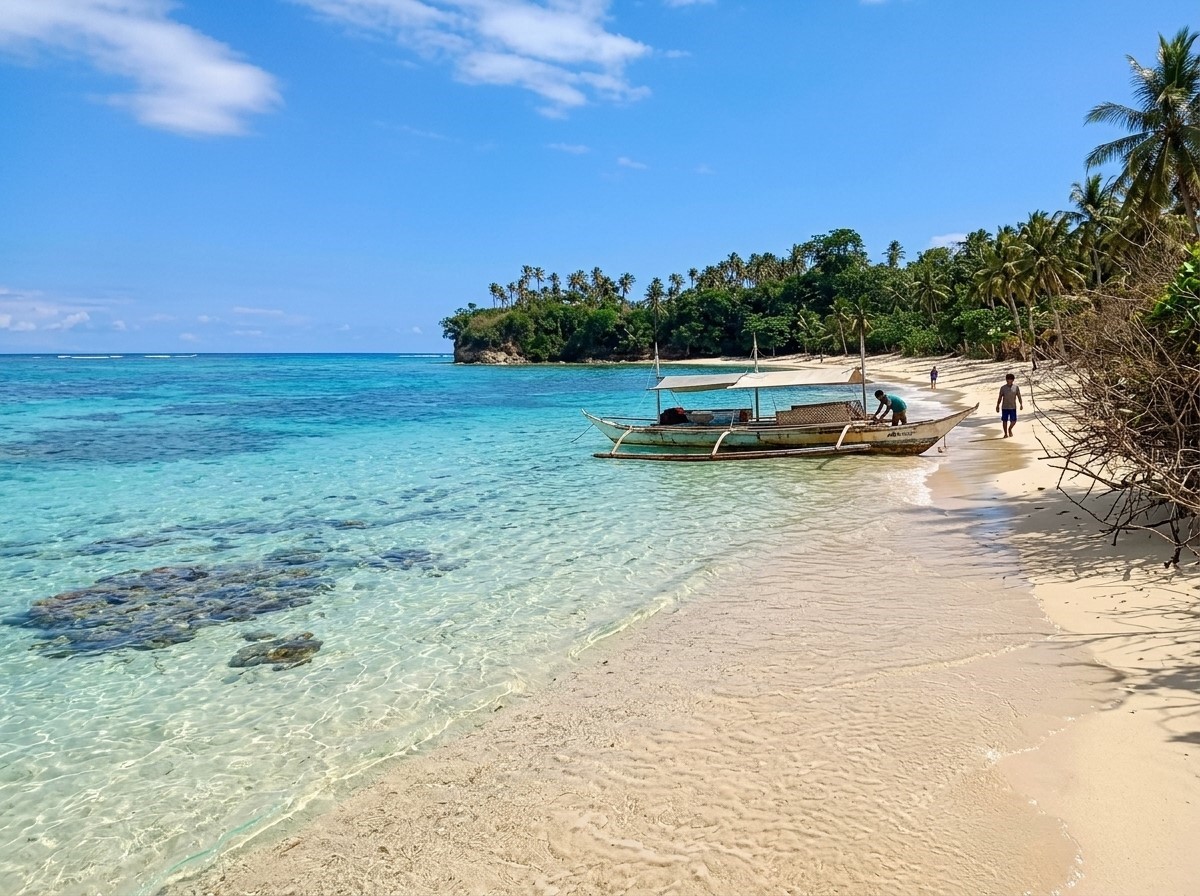
Affectionately nicknamed the "Beach City" by locals, Bacacay presents a rare and striking geographic duality: it features volcanic black sand beaches stretching along its mainland coast, while offering pristine white sand beaches on its detached island barangays. This provides a brilliant antidote for travelers seeking an authentic, slow-paced coastal lifestyle away from the aggressive commercialization found in other beach hubs.
Heritage and Culture
Before throwing yourself into the sea, Bacacay's town proper deserves your unhurried attention. The community is deeply rooted in history, presenting cultural gems that echo centuries of Spanish influence.
- St. Rose of Lima Parish Church: Serving as the spiritual anchor of the town, this Catholic church was constructed by native artisans in 1660 under the supervision of Franciscan Missionaries. Its beautiful, weathered architecture offers a quiet glimpse into the region's rich cultural heritage.
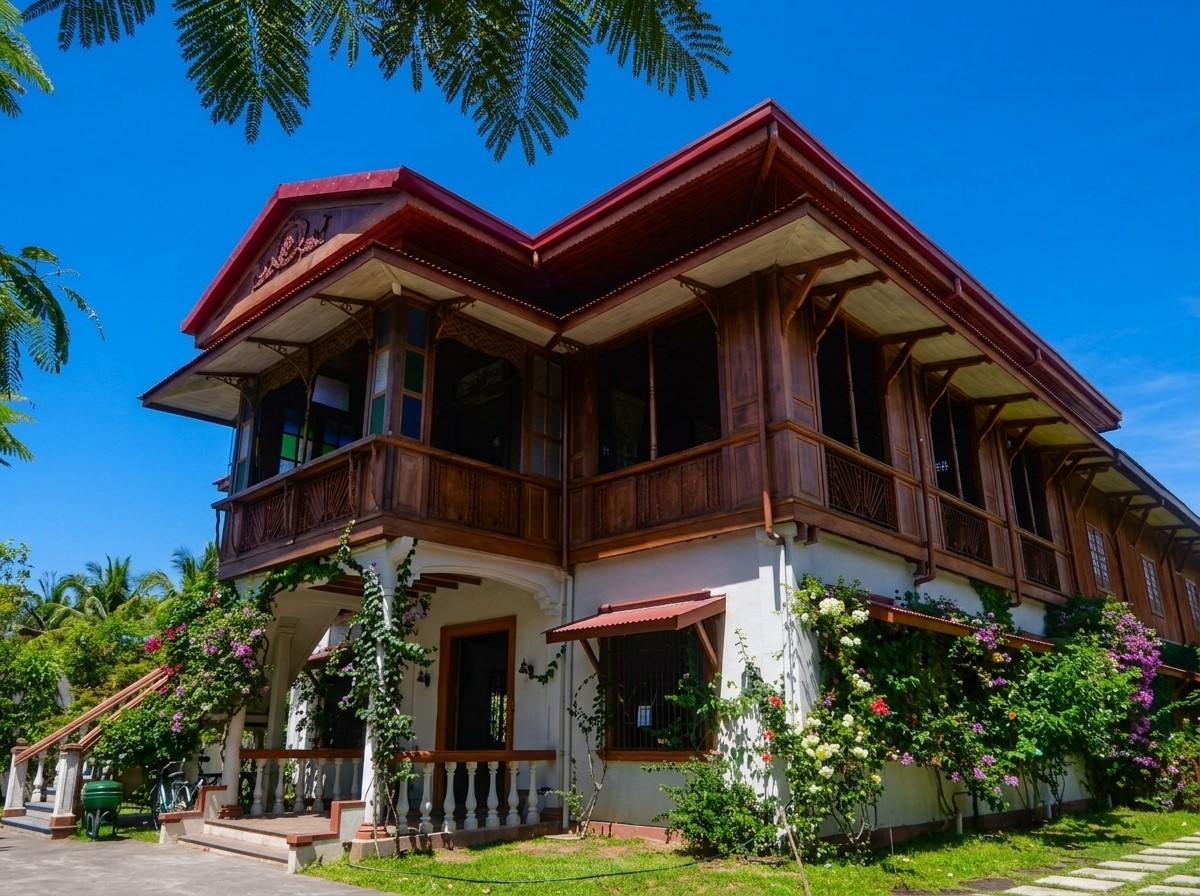
- Casa Simeon: Located along Bes Street, this is a beautifully restored Spanish-era ancestral house belonging to the Alparce family. Operating as a cozy guesthouse, staying or dining here provides a deep, immersive dive into local history, pairing warm Bicolano hospitality with stunning architectural preservation.
Cagraray Island & The Beaches
To cross over from the mainland to the islands, you will traverse the picturesque Sula Bridge. This bridge serves as the gateway to Cagraray Island, which locals affectionately refer to as "ibong," a Bikol word meaning "the other side".
Depending on your budget and travel style, Bacacay caters to both luxury seekers and grounded backpackers:
- Luxury at Misibis Bay: For those looking to indulge, Cagraray Island is home to Misibis Bay, a premier luxury resort featuring private beach access, beautiful swimming pools, and an array of water sports. Nearby, you can also explore Mosboron Beach, known for its secluded coastal beauty.
- The Black Sand Mainland: If you prefer local flavor, visit the volcanic black sands of Coron-Coron Beach or Panarayon Beach. These shores are highly popular during the summer months among residents from neighboring landlocked municipalities. Properties like Viento de Mar offer a cozy, authentic beachfront base for discovering these natural coastal wonders.
Eco-Tourism and Adventure
Bacacay is more than just sand and sea. The municipality is woven with natural landmarks perfect for eco-tourism.
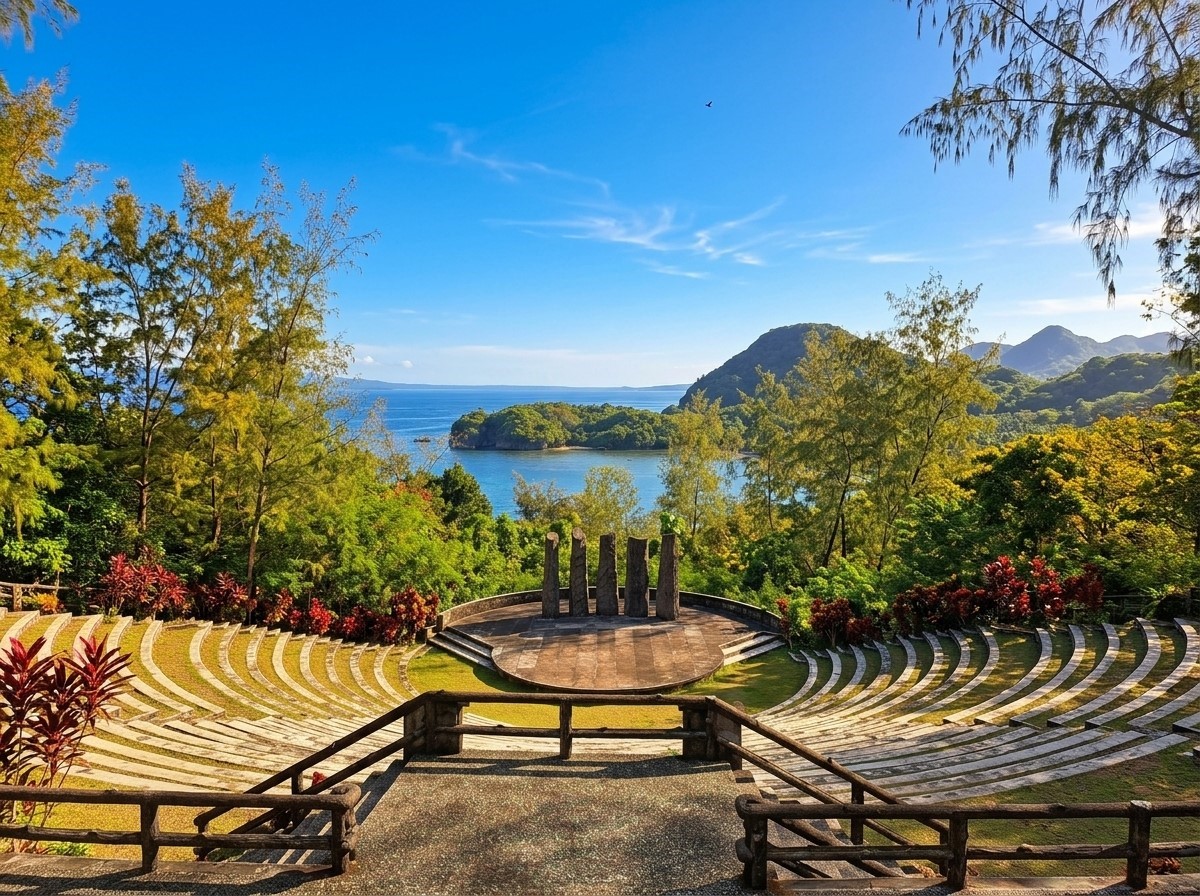
- Cagraray Eco-Energy Park: An absolute must-visit. The park features a breathtaking circular amphitheater built with stone steps, which majestically overlooks a turquoise bay and lush green hills. It is an incredible spot for photography and quiet reflection.
- Sula-Bariw Integrated Farm: Located in Barangay Sula, this working farm offers a relaxing kayaking adventure and functions as a local fishing ground.
- Spelunking at Mataas Cave: For the adventurous spirit, Mataas Cave in Barangay Mataas provides an off-the-beaten-path subterranean experience away from the sun.
Top Things to Do in Bacacay
Whether you're looking for a slow-paced heritage tour or a sun-drenched island escape, Bacacay offers a balanced mix of activities that won't leave you feeling rushed.
- Go Island Hopping Around Cagraray: Rent a motorized banca (outrigger boat) at the port and explore the hidden coves and white sand beaches bordering Cagraray Island. Make sure to drop by Mosboron Beach for a secluded, uncrowded swim.
- Experience the Volcanic Black Sands: Embrace the unique geography of Albay by relaxing on the mainland's black sand beaches, such as Coron-Coron or Panarayon Beach. The sand gets its distinct color and fine texture from the region's volcanic activity.
- Step Back in Time at Casa Simeon: You don't have to stay overnight to appreciate this restored Spanish-era ancestral home. Stop by for a traditional Bicolano meal and admire the preserved architecture, antique furniture, and capiz-shell windows.
- Visit the Cagraray Eco-Energy Park: Drive across the Sula Bridge and make your way to this sprawling park. The absolute highlight is the breathtaking stone amphitheater that perfectly frames the sky and the sea—ideal for golden hour photography and a moment of quiet reflection.
- Shop Like a Local at the Saraudan: Time your visit for Wednesday or Sunday to experience the local market days. It’s the perfect opportunity to practice slow travel by buying fresh seafood, local pili nut delicacies, and native woven crafts directly from the source.
- Explore Mataas Cave: If you're feeling a bit adventurous and want to escape the midday sun, hire a local guide to take you spelunking through the cool, limestone chambers of Mataas Cave.
Pairing Your Visit: Other Albay Destinations
Bacacay’s strategic location makes it an excellent addition to a broader Albay itinerary. Pair your coastal retreat with these notable nearby inland spots:
- Tigbao Highlands: Contrast the beach with the vast, uncommercialized rolling green hills of Ligao.
- Kawa-Kawa Hill: A unique crater hill in Ligao serving as both an ecotourism and pilgrimage site.
- Solong Eco Park: Head over to nearby Camalig for serene forest trails and mystical limestone caves.
- Quitinday Green Hills & Quituinan Hill: Add these to your itinerary for majestic volcano views and grassy knolls.
- Sumlang Lake: Unwind on a traditional bamboo raft over placid waters in Camalig.
How Do You Get to Bacacay & What Are the Costs?
Travel Directions
Bacacay is situated relatively close to the region's capital, making it highly accessible.
- By Car or Van: From Legazpi City, it is roughly a 45-minute drive via the Legazpi-Tiwi coastal road. Follow the northbound route passing through Santo Domingo until you reach the Bacacay town center.
- By Public Transport: Regular jeepneys and vans depart from the Legazpi Grand Terminal heading to Bacacay. Alternatively, you can take a jeepney ride from neighboring Tabaco City.
Estimated Budget
Costs in Bacacay vary wildly depending on whether you choose a local mainland beach or a luxury resort on the island.
| Expense Category | Estimated Cost (PHP) |
|---|---|
| Jeepney / Van (Legazpi to Bacacay) | 40 - 70 PHP |
| Local Black Sand Beach Entrance | 20 - 50 PHP (varies by barangay) |
| Heritage Guesthouse (e.g., Casa Simeon) | ~ 3,000 - 4,000 PHP / night |
| Luxury Island Resort (e.g., Misibis Bay) | ~ 7,500 - 13,000+ PHP / night |
The Lazy Traveler Verdict
Summary: Bacacay offers a stunning dual experience. Whether you seek the unfiltered grit of volcanic black sands or the manicured luxury of island white sands, the "Beach City" delivers. Its rich Spanish heritage and architectural gems elevate it from a simple beach destination to a culturally rich coastal haven.