In This Guide
The Heritage of Candon
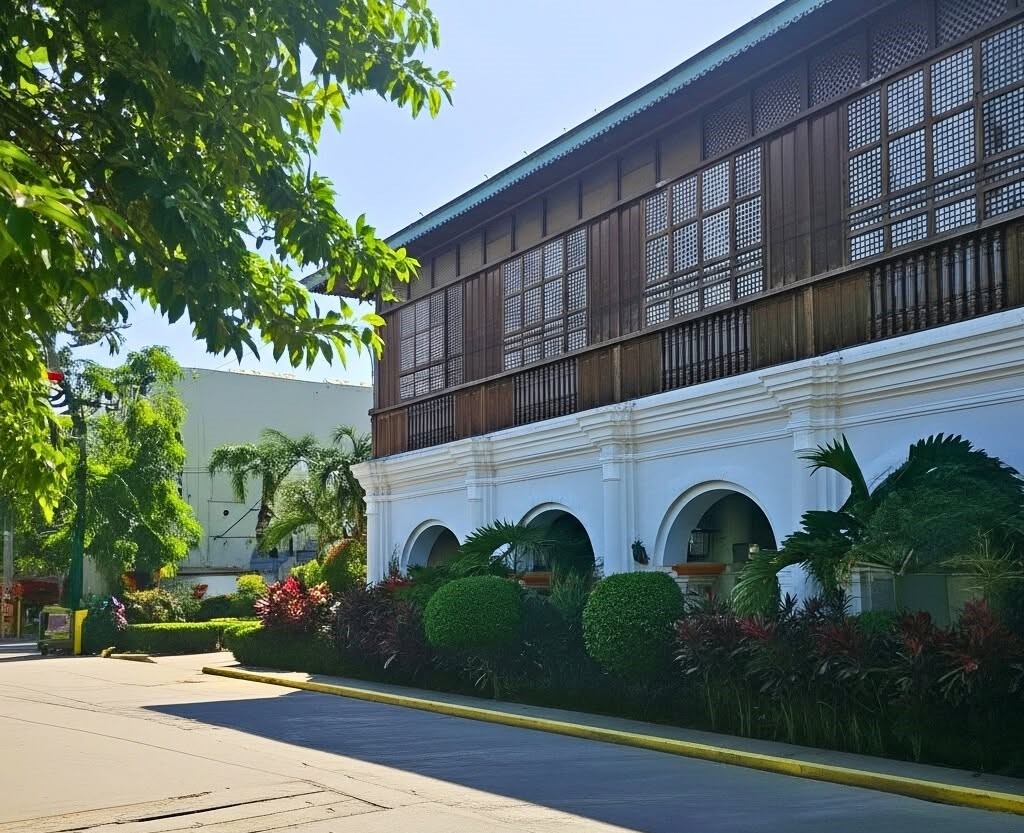
The Cariño House and Candon City Museum functions as a significant, though currently unrestored, heritage site in Candon City, Ilocos Sur. Originally the ancestral home of Don Miguel Cariño, it serves as a crucial repository celebrating local history, the fierce revolutionary legacy of the region, and the profound stories of the indigenous Ilocano laborers.
Wandering through Candon City offers more than just bustling local markets and sweet sticky kalamay. Tucked along the city streets, the damaged but proud structure stands as a quiet testament to a bygone era. It invites travelers to slow down, put away their maps, and immerse themselves completely in the rich, uncommercialized history of Northern Luzon.
The Legacy of Gabriela Silang
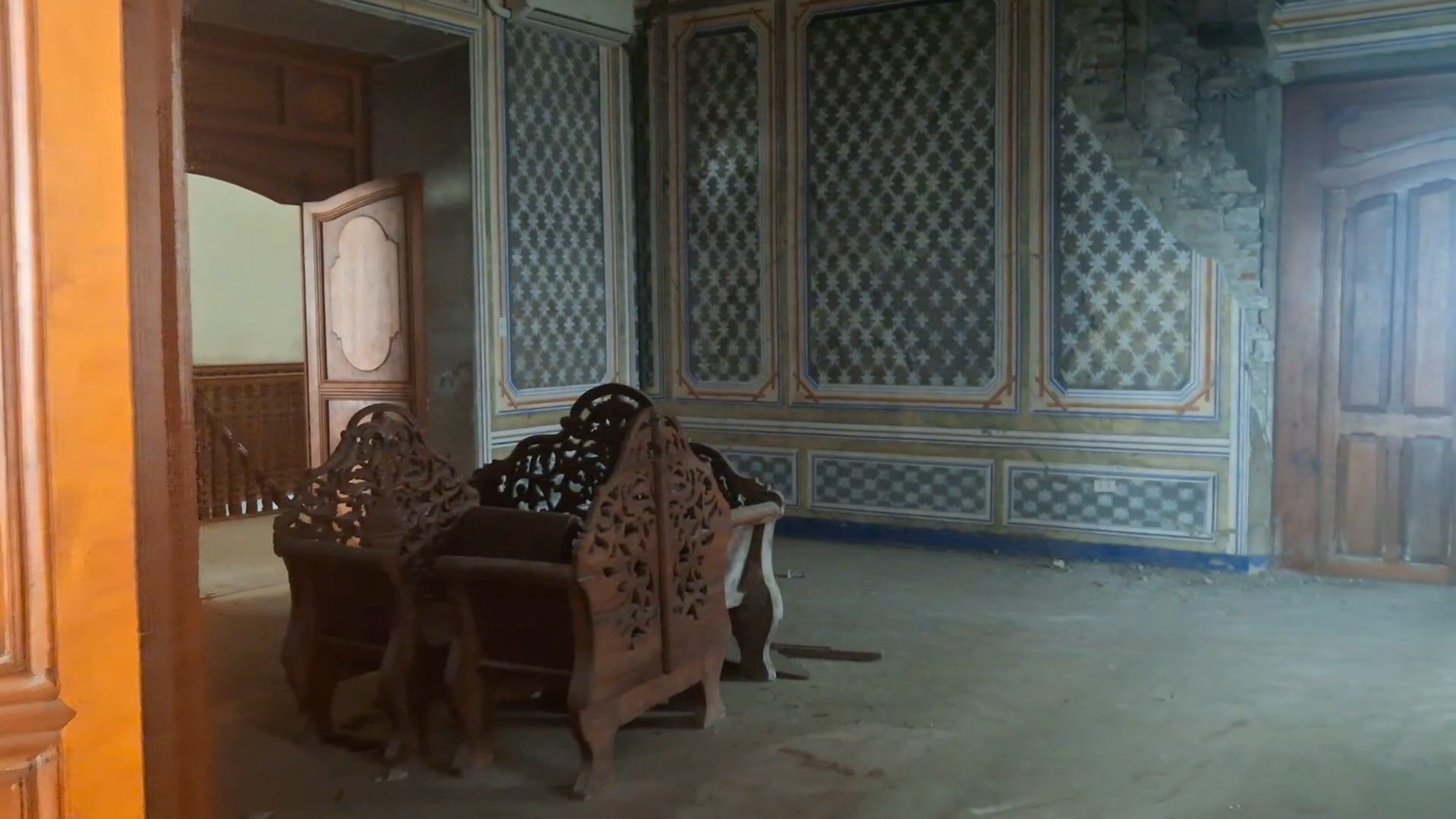
The Cariño family holds a legendary place in Philippine history. Don Miguel Cariño, the original patriarch, constructed this massive residence centuries ago. His granddaughter, Maria Josefa Gabriela Cariño Silang, eventually became one of the fiercest female revolutionary leaders against Spanish colonial rule. Walking through the weathered second-floor master bedrooms and spacious sala allows visitors to connect directly with the environment that shaped her unyielding spirit, even in its current raw state.
The Republic of Candon & The Sakadas
A visit to this museum unfolds rare chapters that most conventional history books gloss over. Prior to the recent natural disasters, curators proudly displayed the original wooden seal of the Republic of Candon, an independent government declared on March 25, 1898 - predating the national declaration of independence in Kawit, Cavite. The residents of Candon possessed a fiercely independent streak, and this site preserves that exact rebellious energy.
Furthermore, the ground floor exhibits pay homage to the Sakadas. These skilled Ilocano laborers left Candon in 1906 to work the unforgiving Hawaiian sugar plantations. Their faded photographs, vintage travel documents, and traditional farming tools tell a deeply human story of sacrifice, hard work, and global migration.
Architecture & The Earthquake's Toll
For centuries, the brilliant architectural engineering of the bahay na bato allowed the Cariño House to survive world wars and armed conflict. Heavy stone and mortar fortify the ground floor, regulating the intense tropical heat, while thick timber frames and sweeping sliding capiz shell windows dominate the upper level to allow the afternoon breeze to flow freely.
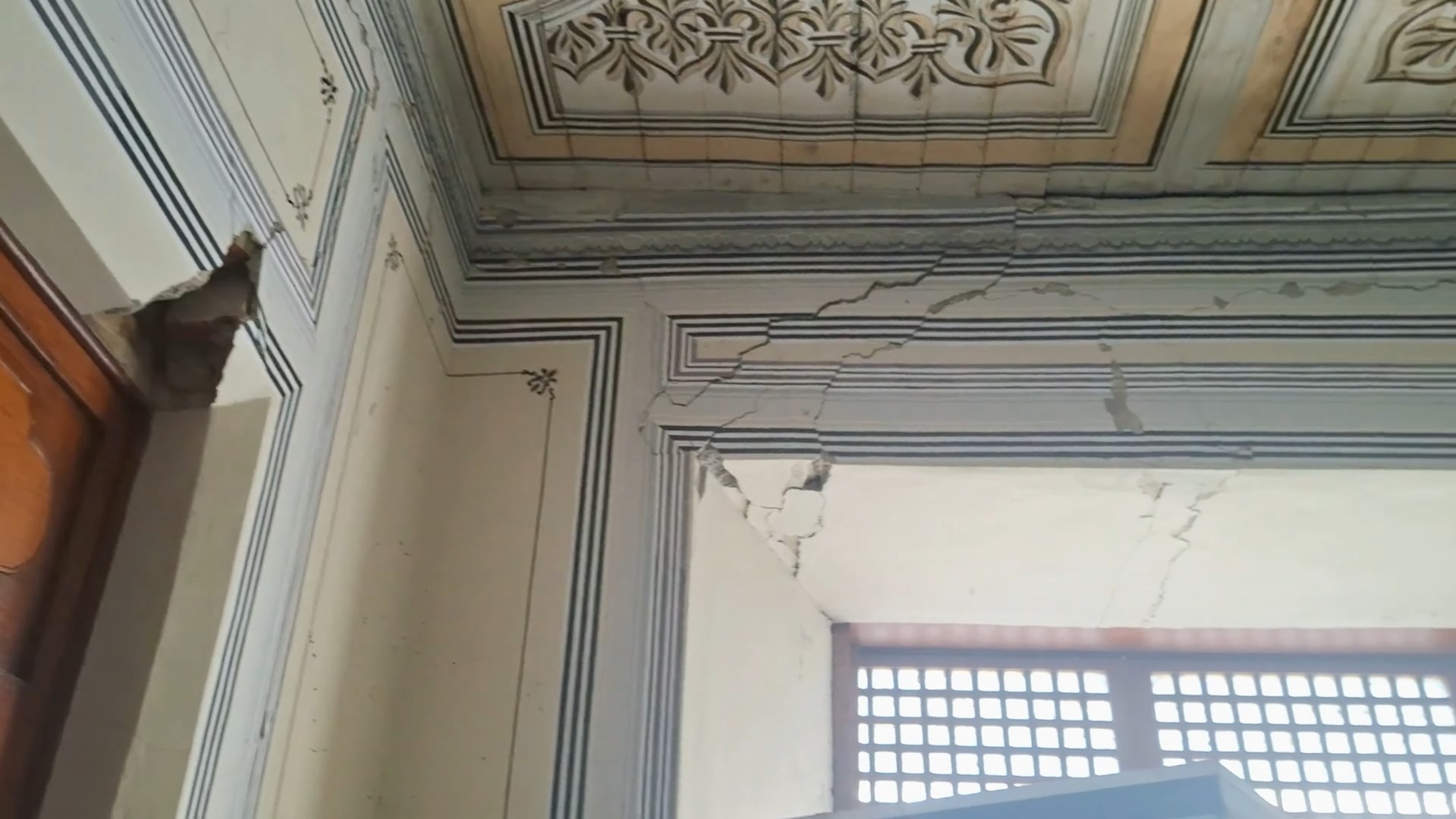
However, recent powerful earthquakes in Northern Luzon have taken a severe toll on the province's heritage structures. Today, the ancestral house sits unrestored. Its damaged walls and weathered details offer a raw, poignant look at history waiting to be saved. Exploring it now feels less like visiting a polished, modern museum and much more like discovering a genuine, vulnerable relic of the past.
How Do You Get to the Museum & What Are the Costs?
Travel Directions
Finding the house requires minimal effort, as it sits conveniently near the city center of Candon, just a few blocks from the national highway.
- Public Transit (From Manila): Take any bus bound for Vigan or Laoag (Partas, Viron, or Dominion). Ask the conductor to drop you off at the Candon City plaza or bus terminal. Travel time is around 6 to 7 hours.
- The Final Leg: From the bus drop-off or the city plaza, hail a local tricycle and ask them to take you to the Cariño House in Barangay San Antonio. It is less than a 5-minute ride.
- Best Time to Visit: Arrive between 9:00 AM and 11:00 AM. The morning light filtering through the weathered capiz windows provides the best atmosphere for photography.
Estimated Budget
Because the structure is community-supported and currently awaiting restoration, exploring this slice of history remains incredibly budget-friendly.
| Expense Category | Estimated Cost (PHP) |
|---|---|
| Bus Fare (Manila to Candon) | 750 - 900 PHP (One way) |
| Entrance Fee | Free (Donations are highly encouraged to support future repairs) |
| Tricycle Fare (Within Town Proper) | 20 - 30 PHP |
| Local Guide | Tip-based (Staff will happily answer questions) |
Pairing Your Visit: Other Ilocos Sur Spots
After soaking in the raw history of the Cariño House, continue your slow travel journey through the region. Because Candon sits centrally, you can easily pair this cultural stop with nature retreats or further historical explorations:
- Candon City Eco Park & Dario Ancestral House: Stay within the city limits for a quiet afternoon stroll under the trees, followed by checking out more preserved heritage architecture.
- Calle Crisologo (Vigan): Drive an hour north to walk the famed cobblestone streets of the UNESCO World Heritage city and continue your colonial-era immersion.
- Highland Escapes: If you crave cool mountain air, ride your scooter up to the Skyline View Deck or trace the hidden coffee trails of Sigay.
- Waterfalls: For raw adventure, brave the towering 120-meter drop of Aw-Asen Falls or relax by the mythical, footprint-shaped basins of Pinsal Falls in neighboring towns.
- Santa, Ilocos Sur: No northern road trip feels complete without walking the historic coastal routes and viewing the impressive bridges of Santa.
The Lazy Traveler Verdict
Summary: The Cariño House and Candon City Museum remains a vital stop for history enthusiasts and slow travelers. While the recent earthquake damage means it lacks the polished feel of a fully restored museum, its raw, weathered state offers an undeniably authentic and moving window into the resilient soul of the Ilocano people.